
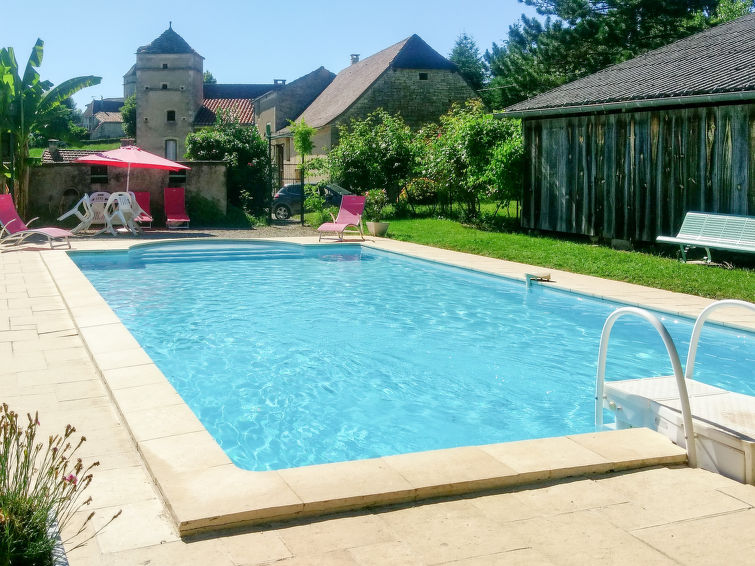
Planning a family vacation is exciting—and a little overwhelming. Between coordinating schedules, packing for different weather, and finding accommodations that feel comfortable for everyone, it’s easy to get stuck in a “wait and see” loop. The good news: with the right approach to SEO for vacation rentals and holiday rentals, families can spend less time searching and more time enjoying safe, convenient, memorable days together.
This guide is designed to help you understand how SEO works for vacation rental listings and destination content, so you can quickly find the right holiday rental area, the best family-friendly activities, and local experiences that match your priorities—like walkability, safety, kid-friendly amenities, and practical convenience (kitchens, laundry, parking, and easy check-in).
If you’re searching for a place to stay in the area, you can start by using searchandstay.com to explore accommodations that fit your needs. Then, use the SEO signals you’ll find throughout the web—search results, local guides, and activity pages—to narrow down the safest, easiest options for your family.
Why SEO Matters for Family Vacation Planning
When you search online for a family trip, you’re not just looking for a place to sleep. You’re looking for clarity: Are the neighborhoods family-friendly? Is it close to attractions? Are there grocery stores nearby? Can you get in easily after a long drive? Does the rental offer features that make daily life simpler?
SEO (Search Engine Optimization) influences which websites appear first when families search for terms like “family vacation rentals near,” “holiday rentals with kitchen,” “things to do with kids,” or “safe neighborhoods in [destination].” Websites that follow best practices—clear content, accurate information, and consistent updates—tend to rank higher. That makes it easier for families to find helpful resources and dependable listings without wasting time.
In other words, SEO helps match your family’s questions with the right answers. The more intentional the content and listing details are, the more likely you’ll find accommodations and experiences that reduce stress and improve safety.
What “Good SEO” Looks Like for Vacation Rentals
Not all vacation rental websites are equal. Some simply list properties with minimal details. Others build content that answers the questions families ask before they book. Look for these “good SEO” signals when exploring vacation rental destinations and individual listings:
- Clear location information: Neighborhood names, nearby landmarks, and realistic travel times (not vague phrases like “close to everything”).
- Family-focused amenities: Mentions of kitchens, laundry, child-friendly bedding options, high chairs, stair gates, or fenced spaces—if applicable.
- Accurate photos and layout details: Floor plans or descriptions that explain room flow, entrances/exits, and what’s inside each space.
- Practical “how it works” pages: Check-in instructions, parking guidance, noise rules, and expectations for trash/recycling.
- Safety-related content: Notes about lighting, smoke/CO alarms (when disclosed), secure locks, and local emergency information.
- Content depth for activities: Guides that list family-friendly options with age ranges, time estimates, and accessibility considerations.
When a vacation rental or local activities site ranks well, it often signals that the information is structured, helpful, and aligned with common search intent—especially “family vacation” searches.
Start With Search Intent: What Families Actually Need
One of the most helpful ways to use SEO during travel planning is to think like a search engine. When families search for vacation rentals, they usually want one of the following:
- Comfort: “Where can we stay with a kitchen and laundry?”
- Safety: “Is this neighborhood safe for kids?”
- Convenience: “What’s the best area near restaurants and parks?”
- Activities: “What can we do with toddlers/teens?”
- Local experiences: “Where can we find family-friendly markets, cultural activities, or tours?”
SEO-driven content typically aligns with these needs, which is why you’ll often see “best of” lists, neighborhood comparisons, or “things to do” guides appear in search results. For families, that’s a shortcut: you’re no longer guessing what to ask—content already anticipates the questions.
How to Use searchandstay.com to Find Family-Friendly Accommodations
Finding the right holiday rental is easier when you combine a reliable booking platform with strategic research. Use searchandstay.com to browse accommodations in the area and filter by the details your family needs.
As you compare properties, focus on the features that improve day-to-day convenience and safety:
- Kitchen access: A full kitchen helps you prepare quick breakfasts, snacks, and easy dinners—especially with dietary needs.
- Laundry availability: In many destinations, laundry is a game-changer for longer stays or active kids.
- Sleeping setup: Confirm bed types, separation of rooms, and whether there are stairs or tricky interior transitions.
- Parking and arrival ease: Look for driveway access, assigned parking, or straightforward directions to avoid stressful late arrivals.
- Outdoor safety: If there’s a yard, confirm whether it’s enclosed or suitable for small children.
- Clear rules: Understand quiet hours, waste disposal instructions, and any restrictions that affect families.
Then, once you shortlist properties, use SEO-guided research (reviews, local guides, and nearby activity pages) to confirm that the surrounding area supports your itinerary.
Destination SEO: Choosing the Right Area for Your Itinerary
Most families don’t just need a rental—they need the right vacation rental destination layout. SEO content that performs well often includes location-specific details that help you choose:
- Distance to attractions: Are the places you’ll visit most often within easy driving or walking range?
- Proximity to grocery stores and pharmacies: When kids get hungry or need prescriptions, convenience matters.
- Dining options: Families benefit from reliable restaurants and kid-friendly menus.
- Public transportation or rideshare access: If you’re not planning to drive every day, check accessibility options.
- Weather readiness: Local guides often mention seasons, rain planning, and indoor alternatives.
When you use SEO-informed destination pages, you’ll notice that strong guides tend to include map-style directions, time estimates, and suggestions for different age groups. That’s especially helpful for planning a schedule that balances energy levels throughout the day.
Family-Friendly Activities: Turning Search Results Into Plans
Once you’ve selected accommodations, the next step is filling your days with activities and local experiences. SEO plays a major role here too. Many travel sites rank high because they publish content that’s organized, current, and easy to scan.
To plan with less stress, search for activity pages that include:
- Age guidance: “Best for ages 3–7,” “family-friendly hiking,” or “beginner lessons.”
- Time expectations: Half-day vs. full-day, estimated travel time, and suggested arrival times.
- What to bring: Sunscreen, water, towels, bug spray, layers, or indoor socks.
- Accessibility notes: Strollers, ramps, stairs, and restroom availability.
- Safety considerations: Safety instructions, weather policies, and guidelines for child participation.
As you review activity options, remember that SEO can be a signal of reliability—content that ranks often has been refined over time based on real user questions. Still, always cross-check details like hours, ticket requirements, and any seasonal changes.
Local Experiences That Feel “Easy,” Not Complicated
Some of the most meaningful trips include everyday moments: a morning market visit, a community festival, a local craft workshop, or a short guided tour that teaches your kids something new without exhausting them. The best local experiences are the ones that fit your family’s comfort level and energy.
When you search online, SEO content often categorizes experiences in useful ways. Look for:
- Short, kid-friendly options: Places that work well even if you start late.
- Community and culture: Museums with interactive exhibits, heritage walks, or animal sanctuaries.
- Food and local flavors: Tasting events with family times, cooking classes, or market tours.
- Outdoor experiences: Easy trails, boardwalks, beaches with safe entry points, or parks with playgrounds.
- Weather-proof plans: Rain-friendly indoor activities listed alongside outdoor favorites.
Convenience is a safety feature. When experiences are close to your rental, it reduces late returns, minimizes rushed transitions, and helps you keep bedtime routines intact.
Safety-Conscious Planning: Using Information to Reduce Risk
Safety shouldn’t feel like a chore. With a family trip, it’s often about small details that add up: lighting around the parking area, clear instructions for entry, secure doors, and knowing where to find help if something goes wrong.
Use SEO-driven content to guide safety-conscious decisions:
- Neighborhood safety context: Look for articles that discuss general safety considerations, lighting, and accessibility to essentials.
- Activity safety requirements: Check for age minimums, life jacket guidance, helmet rules, or guided supervision needs.
- Emergency planning: Familiarize yourself with local emergency numbers, nearby urgent care options, and the nearest pharmacy.
- Rental readiness: Confirm whether the rental has childproofing items, safe stair access, or whether there are any hazards like uncovered fireplaces or unsecured furniture.
- Transportation planning: Choose pickup points and routes that reduce confusion and late-night driving stress.
When you find accurate, well-structured destination content—often promoted through SEO—you’ll spend less time guessing and more time preparing.
How to Evaluate Reviews and Listings Through an SEO Lens
Reviews are one of the best ways to validate what a listing and destination guide claims. Strong SEO content often encourages specific questions and provides the context reviewers need to share meaningful information.
When reading reviews for vacation rentals and holiday rentals, pay attention to patterns, not isolated comments. Consider looking for:
- Repeat mention of cleanliness: Especially for families with small children.
- Consistency in noise reports: If multiple reviewers mention street noise, early-morning traffic, or thin walls, that’s relevant for nap schedules.
- Arrival and check-in clarity: Comments about the ease of accessing keys or understanding entry instructions.
- Host responsiveness: Families benefit from quick replies when you’re coordinating bedtime, appliances, or local tips.
- Practical details: Parking ease, distance to groceries, and whether the space matches photos.
SEO also affects review visibility. Listings that are easier for search engines to understand—clear titles, consistent detail sections, and structured descriptions—tend to have more discoverable, searchable pages. That means you can often find answers to your questions faster.
Build a Simple SEO-Informed Planning Workflow
Instead of starting from scratch each time, use a repeatable workflow that balances convenience and safety:
- Choose your area first: Use destination guides and local “things to do” pages to understand where families tend to stay and why.
- Select accommodations: Use searchandstay.com to browse holiday rentals with your must-have filters (kitchen, laundry, parking, space layout).
- Confirm logistics: Read check-in instructions, parking details, and any house rules.
- Plan activities in clusters: Choose experiences near each other to minimize driving and reduce fatigue.
- Add “backup” options: Look up indoor alternatives or shorter activities so the day stays on track if weather changes.
- Verify safety essentials: Note where the nearest pharmacy and urgent care options are, and confirm rental-specific safety details.
This workflow helps you turn SEO information into real-world decisions—without overcomplicating the process.
SEO Tips for Finding Holiday Rentals That Match Your Family Style
If you want to use SEO more directly, adjust your search terms. The more specific your query, the better the results you’ll find. Try combining destination names with family needs:
- “[destination] vacation rental with kitchen and laundry”
- “[destination] family-friendly holiday rentals near park”
- “[destination] vacation rental safe neighborhood parking”
- “best things to do with kids in [destination]”
- “indoor activities for families in [destination]”
These targeted searches often surface pages that are more informative, because they’re written to match that exact intent. That’s how you get practical guidance quickly.
Make Local Experiences Work With Your Schedule
One of the most overlooked parts of family travel is pacing. Even the most exciting activities can become stressful if they don’t fit meal times, nap schedules, or bedtime routines.
SEO-driven local guides often include useful timing details—morning vs. afternoon suggestions, best seasons for outdoor activities, and suggestions for when to arrive to avoid crowds. When you use those details, you’re more likely to keep the day smooth.
As you plan, consider creating a “flex day” where you choose one anchor activity and keep the rest optional. This reduces stress when the kids want to move slower or when energy levels change.
Convenience Equals Better Safety
When families feel rushed, safety risks increase—missed turns, late pickups, forgotten items, and less time to find restrooms or hydration. Choosing vacation rentals near essentials and planning activities in nearby clusters supports safety in a very real way.
Convenience can mean:
- Being able to return home for snacks or downtime
- Staying close to grocery stores and pharmacies
- Arriving at activities during family-friendly hours
- Having easy check-in and clear parking instructions
When you use SEO to find destinations and rentals that support these conveniences, your whole trip becomes easier to manage.
Final Checklist: What to Look For Before You Book
Before you confirm a vacation rental or holiday rental, use this quick checklist to make sure the booking supports a family-first, safety-conscious trip:
- Location: Close to parks, grocery stores, and your planned activities.
- Comfort: Kitchen and sleeping arrangements that match your family’s needs.
- Convenience: Laundry, parking clarity, and easy arrival logistics.
- Safety: Secure entry, safe layout for kids, and clear house rules.
- Support: Responsive host and accessible emergency/local information.
- Activity alignment: Family-friendly options nearby, with indoor backups if needed.
To explore accommodations in the area and narrow down your options efficiently, start with searchandstay.com. Then use destination guides and activity pages shaped by SEO to plan your days with confidence.
Your family vacation should feel joyful—not complicated. When you combine smart SEO research with practical booking choices, you get more time together, fewer travel headaches, and a trip that supports safety, comfort, and convenience from day one.