
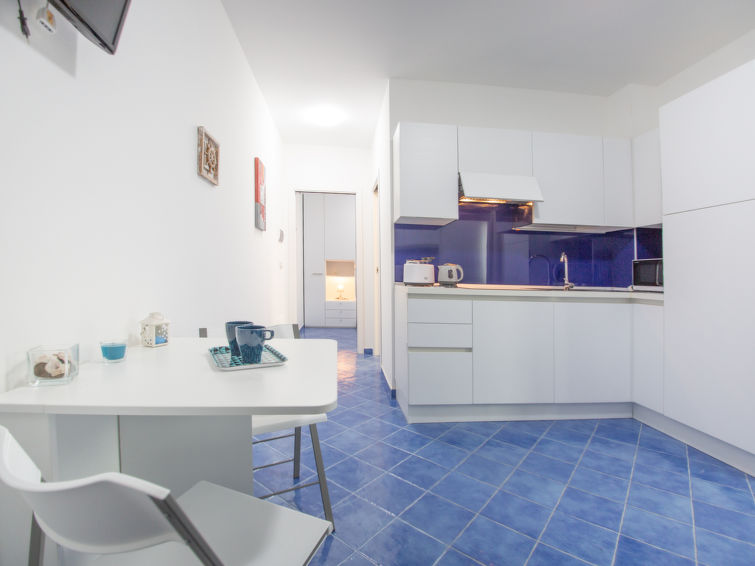
When you’re on the road for business travel, “working from anywhere” sounds simple—until you’re searching for a place to stay and realize your vacation rental options need to match your daily reality. Dedicated workspace, fast and reliable Wi‑Fi, and a location that makes it easy to explore during downtime are no longer nice-to-haves. They’re essentials.
This is exactly where SEO for vacation rentals and holiday rentals becomes practical. It’s not only about marketing a property to guests—it’s about ensuring the right travelers find the right destination, the right activities, and the right local experiences. For anyone planning a stay that mixes work time with adventure time, the best “how to find it” guide is built on search intent: what people search for, when they search for it, and what they expect to see once they click.
In this guide, you’ll see how SEO can strengthen visibility for vacation rentals—especially for destinations where travelers are searching for both accommodation and experiences. You’ll also learn how to evaluate listings based on the signals that matter to today’s travelers: workspace quality, Wi‑Fi speed, location convenience, and content that helps guests plan their days. And if you’re looking for a place to stay in the area, you can use searchandstay.com to find accommodations that match your schedule and needs.
Why SEO matters for vacation rentals and holiday rentals
Vacation rentals and holiday rentals sit in a highly competitive marketplace. Guests don’t just want a bed; they want a promise. That promise might be “walk to restaurants,” “quiet at night,” “family-friendly,” or “strong Wi‑Fi for remote work.” SEO helps properties earn visibility for those promises.
When guests search on Google, they’re usually ready to book. They might include keywords like:
- “vacation rental with fast Wi‑Fi”
- “holiday rental with dedicated workspace”
- “best neighborhood to stay near city center”
- “things to do in [destination]”
- “local experiences in [destination]”
SEO connects your property and destination content to that moment of intent. The goal isn’t to rank for random traffic—it’s to rank for the search terms that bring guests who fit your property and your location.
Match content to traveler intent: accommodation + destination discovery
Many vacation rental websites struggle because they treat SEO like a single page problem. The truth is that travelers browse in stages. A guest may start with “best areas to stay in [destination],” then move to “things to do,” then search for “best vacation rentals near [attraction].” If you provide only property information, you miss the earlier stages of the journey.
For better performance, structure your content around the full decision funnel:
- Discovery: destination guides, neighborhood comparisons, travel itineraries.
- Evaluation: Wi‑Fi reliability, workspace details, parking access, transit routes, accessibility.
- Booking: pricing factors, check-in/out instructions, house rules, local support, and what’s included.
When this content is connected with clean internal linking and targeted keywords, search engines can better understand the page’s purpose—and guests can more easily confirm they’re making the right choice.
Target keywords that reflect real remote work and on-the-go routines
A modern traveler is not only searching for a “vacation rental.” They’re searching for a working environment that doesn’t derail their schedule. This is where SEO can outperform generic listing copy.
Consider incorporating keyword themes that signal what matters for work-focused stays:
- Dedicated workspace: home office, desk setup, monitor-friendly, ergonomic chair, quiet corner.
- Fast Wi‑Fi: high-speed internet, strong signal, reliable for video calls, Wi‑Fi speed tests (when available).
- Business travel convenience: proximity to business districts, easy check-in, laundry access, secure entry.
- Comfort for downtime: dining options nearby, parking, groceries, local transit, safe walking areas.
The most effective SEO content avoids vague phrasing like “great Wi‑Fi.” It instead uses specific language that reflects what the guest needs to confirm before booking. If a property has a desk, mention it. If Wi‑Fi is tested or managed with professional-grade equipment, say so. If the space is quiet during the day, describe the conditions.
Build destination pages that act like itineraries (not just attractions lists)
A destination page can be far more than a generic list of landmarks. To win SEO and improve conversion, write content like you’re building a plan for the guest.
Instead of only “Top Attractions,” consider a format like:
- Morning: coffee spots, scenic walks, quiet start locations.
- Midday: lunch nearby, museum or cultural stop, short travel times.
- Afternoon: activities, day trips, markets, galleries.
- Evening: neighborhoods for dinner, live events, scenic overlooks.
Guests searching for “activities and local experiences in [destination]” want ideas that fit their time. When they see content that already accounts for scheduling, they’re more likely to book the accommodation and trust that they’ll be able to fill their days.
Turn local experiences into SEO assets
Local experiences drive engagement, and engagement supports SEO performance. But experiences must be written with clarity and specificity.
For example, “Try local food” is generic. “A 90-minute neighborhood food route: start at the morning market, follow with a casual lunch, then end at a dessert café near the waterfront” gives readers a path they can follow.
Consider creating content clusters that connect to your accommodations:
- Food and culture: street food, cooking classes, market tours.
- Outdoors: hikes, bike routes, lakeside mornings, viewpoint drives.
- Arts and entertainment: galleries, theatre nights, music venues.
- Day trips: nearby towns, coastal drives, heritage sites.
- Family-friendly options: parks, kid-friendly museums, easy activities.
The more your content answers “Where should I go and how do I get there?”, the more it aligns with search intent. Add directions in plain language (walking time estimates, transit options, parking advice) to make the guide practical.
Use on-page SEO to clarify what guests want to know
Even the best content can underperform if it’s not structured for both humans and search engines. For vacation rental and holiday rental SEO, use on-page elements to highlight key booking factors.
1) Write a clear property description with SEO-ready details
Use sections and bullet points that map to common questions:
- How many people can stay comfortably?
- Is there a dedicated workspace (desk location, lighting, comfort)?
- What’s the Wi‑Fi like (speed or reliability notes)?
- Are there quiet hours or areas suitable for calls?
- Is there parking or nearby public transit?
- What’s included (kitchen basics, coffee, workspace equipment)?
2) Include FAQ sections tied to high-intent keywords
FAQs are a powerful SEO format because they directly answer search queries. Consider questions such as:
- “Is the Wi‑Fi suitable for video calls?”
- “Where is the workspace located and is it comfortable for long sessions?”
- “How close are shops, restaurants, and public transport?”
- “What local experiences are easiest to access from this neighborhood?”
Keep answers concise but specific. The best FAQs reduce uncertainty and improve booking confidence.
3) Optimize images and captions for relevance
Photos are critical in rental SEO, but don’t treat them as decoration only. Use meaningful file names and descriptive captions where possible. For remote-working guests, include images that show:
- the desk setup
- the chair and lighting
- the Wi‑Fi router location (if appropriate) or a sign that indicates strong coverage
- work-friendly corners and quiet rooms
- the view and neighborhood cues that support your destination page
Build internal links between your property pages and destination guides
SEO performs best when pages relate to each other. Create a linking system where:
- Your accommodation page links to “things to do near [neighborhood]”
- Your destination page links to accommodation options in that area
- Experience posts link back to relevant stays
For example, a guide titled “Local experiences for a 3-day itinerary in [destination]” should naturally include a section like “Where to stay for easy access” with a direct link to matching holiday rentals or vacation rentals.
Location signals: write like a local, search like a traveler
Many guests decide based on location more than anything else. Your content should help them understand how the neighborhood functions: walkability, safety, convenience, and timing. Add practical details such as:
- distance to key landmarks
- walking routes and estimated times
- the feel of the area at different times of day
- noise levels and how the property handles it
- parking rules or nearby garages
From an SEO standpoint, this is where geo-modified keywords matter. Phrases like “near [attraction]” or “in [neighborhood]” help search engines match your page to location-based queries. From a conversion standpoint, you reduce the “Will this be inconvenient?” anxiety that causes last-minute drop-offs.
What to look for when booking a holiday rental as a remote worker
SEO is useful, but the final decision is still about fit. If you’re traveling for work and want a dedicated workspace and fast Wi‑Fi, you can use the listing details to confirm you’ll be comfortable. Here’s a checklist approach that aligns with how well-optimized content is written.
- Workspace reality: Does the listing show the desk area clearly? Is there enough room for a laptop and notes? Is there a comfortable chair?
- Internet reliability: Look for wording that indicates speed and stability, not just “good Wi‑Fi.”
- Noise and call conditions: Are rooms isolated from busy streets? Are there quiet corners? Is the property set up for calls?
- Lighting: Remote work depends on visibility. Listings that include daylight or strong lighting cues are easier to trust.
- Recharge and downtime: After meetings, you’ll want comfort. Search for nearby cafes, grocery options, or short walks.
When a property’s content is built with these signals in mind, it’s usually a sign that the property is managed thoughtfully—because it anticipates the exact questions guests are asking in search results.
How searchandstay.com fits into booking in the area
If you’re planning a mixed work-and-leisure stay, you shouldn’t have to guess whether a vacation rental will work for your daily schedule. Use searchandstay.com to find accommodations in the area that match your travel needs, including the practical details that make remote work easier.
A good booking flow helps you compare options quickly, and strong filters support the decision process. When you can narrow down properties based on workspace suitability, internet quality, neighborhood fit, and access to attractions, you reduce the time spent searching and increase the time you get to enjoy your destination.
Content strategy: create SEO clusters around destinations, activities, and stays
To build long-term SEO results for vacation rentals and holiday rentals, focus on clusters instead of isolated posts. One article won’t dominate search for months, but a connected set of pages can.
Here’s a practical cluster structure:
- Core page: “Vacation rentals in [destination]” or “Holiday rentals in [destination]”
- Support pages: neighborhood guides, “best times to visit,” and transportation tips
- Experience pages: activities and local experiences (food, culture, outdoors, day trips)
- Property pages: individual accommodations that link back to each relevant guide
- FAQ pages: remote work FAQs, family travel FAQs, parking and check-in FAQs
With this structure, your site can capture a broader range of queries and keep visitors moving toward booking because each page answers the next logical question.
Local SEO basics: consistency and clarity
For rental markets, local SEO fundamentals still matter. Make sure business details are consistent across pages. Use a consistent address or area reference (as appropriate), maintain consistent naming conventions, and ensure that key pages are easy to find.
Even if your primary SEO target is accommodation and travel content, search engines benefit from clear, structured information. When guests can quickly understand where the stay is located and what it offers, you increase the likelihood of conversion from search traffic.
Measure what matters: rankings, engagement, and booking confidence
SEO isn’t only about ranking numbers. For vacation rentals and holiday rentals, performance should be measured by booking intent signals. Track:
- Organic traffic to property pages
- Clicks from destination guides to accommodation pages
- Time on page and scroll depth on “workspace and Wi‑Fi” sections
- Conversions (inquiries or bookings) from specific landing pages
- Search terms that lead to your pages (especially remote-work-related queries)
If the data shows that traffic is arriving but conversions are low, the issue may not be SEO—it may be that the property content doesn’t clearly answer the questions that triggered the search in the first place. Strong SEO makes sure the content matches the expectation set by the keyword.
Examples of SEO-friendly content ideas for vacation rental destinations
If you need inspiration, here are content ideas that naturally incorporate SEO for vacation rentals, holiday rentals, activities, and local experiences:
- “A remote-worker’s guide to [destination]: coffee, quiet workspaces, and reliable Wi‑Fi areas”
- “Best neighborhoods to stay in [destination] for dining, transit, and day trips”
- “3-day itinerary in [destination] with work-friendly mornings and evening plans”
- “Local experiences for first-time visitors to [destination] (with booking tips)”
- “How to choose a vacation rental with a dedicated workspace: checklist for guests”
- “Where to go for local food and market culture in [destination]”
- “Best day trips from [destination]: trails, heritage sites, and scenic routes”
The key is relevance and usefulness. If the content helps someone plan and reduces uncertainty, it earns trust—and trust leads to bookings.
Closing thoughts: SEO that serves real travel needs
SEO for vacation rentals and holiday rentals works best when it’s built around real guest problems. Travelers want more than a listing—they want confidence that their stay will support their routine. When your pages clearly describe dedicated workspace options, highlight fast and reliable Wi‑Fi, and connect the accommodation to destinations, activities, and local experiences, you earn visibility from high-intent searches and improve conversion.
If you’re planning your next trip and need a place that supports both work and exploration, use searchandstay.com to find accommodations in the area. Then use destination content—written with itinerary-level detail—to turn downtime into memorable local experiences.