
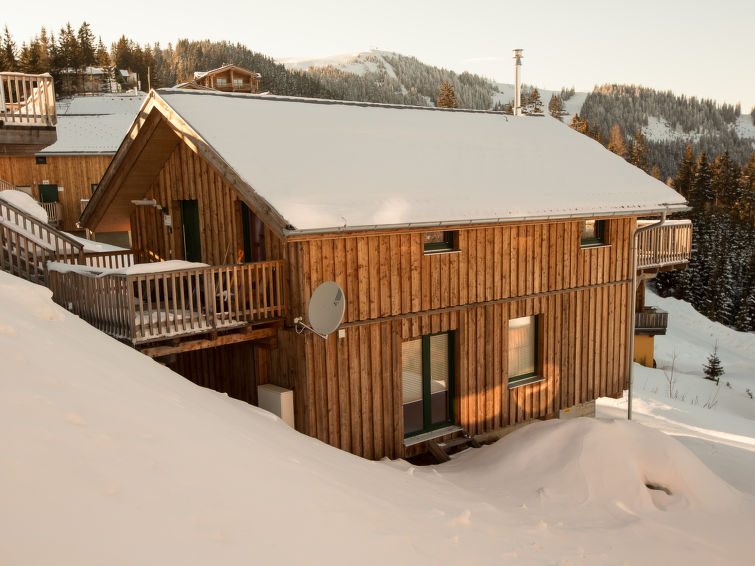
For business travellers, the difference between a smooth trip and a stressful one often comes down to two things: a dedicated workspace and fast, reliable Wi‑Fi. That’s why when planning a vacation—whether you’re joining a client meeting in a nearby city or taking a few off-days to recharge—finding the right vacation rental can be just as important as booking your flights and calendar. If you’re looking for SEO-driven inspiration to choose the best holiday rental destinations, plan activities, and discover local experiences, you’ll want to think like a search engine user. The more intentional you are with what you search for (and how you evaluate results), the easier it is to land an accommodation that supports both work and play.
Let’s dive into how SEO helps vacation rental travellers plan better stays, how to find the most relevant holiday rental destinations, and how to use search terms to locate activities and local experiences that match your interests. Along the way, you’ll get practical, traveller-friendly tips for filtering for things like dedicated workspace and fast Wi‑Fi—two requirements that matter whether you’re working remotely for half the trip or trying to finish a report after dinner.
Why SEO matters for vacation rentals and holiday stays
SEO (Search Engine Optimization) is the process of making content easier to find and more relevant to the queries people type into search engines. For vacation rentals and holiday travel, SEO shapes what you see when you search for a destination, an activity, or a type of accommodation. When content is optimized, you’ll typically find clearer information: location details, amenities, travel times, nearby attractions, and practical recommendations. Instead of guessing, you can compare options more efficiently.
For example, a strong SEO strategy for vacation rentals often includes pages or guides targeting keywords such as “family-friendly holiday apartments,” “pet-friendly short stays,” “quiet work-friendly rentals,” or “best neighborhoods for weekend getaways.” When those pages rank highly, travellers are more likely to find accurate content quickly. That reduces decision fatigue and helps you choose accommodations that fit your needs—especially when you require a dedicated desk, good internet speeds, and reliable power for laptops and video calls.
Start with destination-focused searches
One of the most effective ways to use SEO for better planning is to search by destination first, then narrow down. Vacation rental SEO typically uses destination clusters: a main area paired with nearby neighbourhoods, landmarks, and day-trip routes. If you start broad and then refine your query, you’ll often reach more relevant results faster.
Try building your search like this:
- Destination + accommodation type: “Lisbon apartment rental with desk” or “Copenhagen holiday home fast Wi‑Fi”
- Destination + work needs: “work from home holiday rental Wi‑Fi” or “quiet vacation rental dedicated workspace”
- Destination + lifestyle goal: “best neighbourhood for cafes” or “holiday rentals near hiking trails”
SEO content often mirrors these intent patterns. When you search with clear requirements, search results are more likely to include listings and guides that explain whether the rental is suitable for remote work, what the internet setup looks like, and how close you are to transit or coworking spaces.
Use keywords that match how you actually travel
Search engines reward specificity. If you use the same phrasing that travellers use in the real world, you’ll find better matches. Many vacation rental listing pages and travel guides are written around common keyword themes: “fast Wi‑Fi,” “workspace,” “home office,” “desk,” “work-friendly,” “quiet location,” “easy self check-in,” “parking,” and “walkable to attractions.”
To find accommodation that supports a productive stay, use queries like:
- “dedicated workspace” (or “home office” / “work desk”)
- “fast Wi‑Fi” (or “high-speed internet”)
- “quiet” (or “soundproof” / “noise-free”)
- “close to city centre” or “near public transport”
- “parking included” if you’ll drive
SEO-driven travel content tends to translate these requests into practical details—like the location of the desk in the room, whether Wi‑Fi is strong enough for video calls, and if there’s a dining table that can double as a workspace. Even if you don’t see speed numbers in every listing, you can still evaluate the likelihood of good connectivity by reading descriptions carefully and checking photos for modem/router placement or desk layout.
How to evaluate Wi‑Fi quality like a business traveller
Fast Wi‑Fi is a requirement, not a bonus. In vacation rentals, internet performance can vary dramatically depending on building infrastructure, router age, and even crowd load in peak times. SEO content can help you narrow down the best possibilities by highlighting “work-friendly” locations and amenities.
When you’re browsing vacation rentals, look for evidence of connectivity. Strong content usually includes details like:
- Specific mention of Wi‑Fi speed or “high-speed internet”
- Photos of work-friendly setups (desk, chair, adequate lighting)
- Clarification of coverage (e.g., “Wi‑Fi throughout the apartment”)
- Consistency signals like “perfect for remote work” or “reliable internet for calls”
If a listing is vague, consider using search terms such as “Wi‑Fi available” plus the destination, then compare results. SEO guides often include tips on what to ask hosts or what to confirm before booking. If you see multiple independent sources describing similar strengths, you can feel more confident.
The dedicated workspace checklist
For remote work, a dedicated workspace is more than having “a table.” It’s about posture, focus, and ergonomics. In many holiday rentals, you’ll find a desk tucked into a corner, a dedicated home office room, or a setup that’s clearly meant for laptops. SEO content can help you spot these details earlier because work-focused pages frequently include layout descriptions and photo references.
When evaluating a rental listing, verify:
- Desk or table suitable for a laptop and monitor
- Comfortable chair (or at least a seat that looks ergonomic)
- Lighting for evening work (desk lamp or bright overhead lighting)
- Noise level (not right above nightlife or busy streets)
- Ability to close distractions (window blinds or door separation if needed)
These factors influence your productivity. A rental that looks appealing might be frustrating if you’re working from a small dining table or if the “workspace” is a fold-out surface that’s inconvenient for calls. By reading SEO-optimized listings carefully—and comparing them to other results—you can avoid the most common work-from-rental pitfalls.
Finding holiday rental destinations that are built for both work and fun
The best holiday rental destinations for a business traveller are the ones that offer two things at once: reliable daily routines and exciting local experiences when you’re done working. SEO content often highlights neighbourhood advantages, transit accessibility, and “what to do near you.” Use those clues to choose an area that supports both your schedule and your interests.
When you choose a destination, consider:
- Transit and walkability: You want to minimize time commuting to activities.
- Cafés and cowork-friendly spaces: Even if you work at home, backups matter.
- Safety and calm at night: Work calls and good sleep are non-negotiable.
- Seasonal activity availability: Check whether the best experiences match your travel dates.
SEO pages frequently organize content around these themes. If you’re comparing destinations, read the guides that rank highly for your topic. They usually include practical mapping information such as “near the waterfront,” “close to transit,” or “minutes from major attractions.” Those details reduce the effort required to plan.
Use SEO to plan activities efficiently
Vacation rental SEO isn’t only about where to sleep. It’s also about how to discover things to do. Search engines reward content that answers questions: “What should I do in this city in one day?” or “What are the best local experiences near downtown?” When that content is optimized, you can build an itinerary based on verified suggestions rather than random listicles.
To plan activities with less time and fewer missteps, use search queries that indicate intent and timing:
- “best activities in [city] this weekend”
- “free things to do in [neighbourhood]”
- “day trip from [city] [type of activity]”
- “local experience [city] food tour”
- “outdoor activities near [landmark]”
SEO-strong content usually includes specifics: starting times, distances, ticket hints, and what makes the experience worthwhile. For a business traveller, these details matter because schedules are often tight. If you can plan an activity with a clear start, a realistic travel route, and a sense of how long everything takes, your trip feels effortless—even if you’re working mornings and exploring afternoons.
Local experiences: the SEO advantage
Generic attractions can be enjoyable, but local experiences are where destinations become memorable. SEO improves discovery by guiding you to experiences that match local culture rather than only the top tourist landmarks. Many local experience providers—and the travel writers who cover them—optimize content around niche keywords like “traditional cooking class,” “craft workshop,” “neighbourhood food market,” “heritage walk,” or “local wine tasting.”
When searching for local experiences, focus on themes rather than just sights:
- Food & drink: “market tour,” “street food,” “chef’s table,” “brewery tasting”
- Culture: “museum with guided tour,” “architecture walk,” “history talk”
- Craft & creativity: “ceramics class,” “handmade chocolate workshop”
- Nature: “scenic hike,” “coastal trail,” “local wildlife tour”
- Community: “community-run experience,” “local guide tour”
Because SEO often rewards freshness and specificity, you can find experiences that are more current and less repetitive than typical travel lists. You can also filter by review signals where available, which helps you choose experiences that align with your style—quiet and meaningful, energetic and social, or a mix of both.
Balance work and exploration with an itinerary built on real time
A common vacation planning mistake is scheduling like you have no meetings. If you’re working during your stay—or working late to catch up—you’ll benefit from an itinerary designed around realistic time blocks. SEO content can help you structure your day by providing approximate travel times and location proximity.
Here’s a practical approach:
- Morning (work block): Stay near your accommodation to avoid long transit delays.
- Midday (flex block): Choose activities close to the rental—markets, short museum visits, or cafés.
- Afternoon (exploration block): Plan one “anchor” activity that’s worth the commute.
- Evening (reset): Keep it low-stress—dinner near your base, a walk by the waterfront, or a relaxed local show.
This structure works especially well when you’ve selected a holiday rental in an area that’s walkable or well-connected. SEO-driven destination guides often mention proximity between attractions, which helps you avoid planning days that are too spread out.
How to find the right accommodation using searchandstay.com
Once you’ve identified your destination, the next step is choosing accommodation that supports your work routine. A useful way to locate rentals in the area is to use a dedicated search platform like searchandstay.com. You can browse options by location, property type, and frequently by amenity signals that matter for work and comfort.
When using any accommodation search tool, treat your filters and reading the listing details as part of your SEO-inspired planning workflow. In other words: search like you mean it, then validate what you find. Here are some practical actions you can take:
- Filter for work-friendly amenities: Look specifically for Wi‑Fi and workspace mentions.
- Check photos for desk layout: The best listings show the desk in context.
- Read the description carefully: Prioritize wording that indicates reliability, quietness, and remote-work suitability.
- Confirm check-in and rules: Self check-in and clear expectations reduce trip friction.
- Compare multiple neighbourhood options: Even within the same city, the “best area” depends on your daily rhythm.
SEO helps you discover where to look. Search and filtering help you choose what to book. Combining both reduces the chance of arriving in a location that doesn’t fit your working needs.
Choosing the right holiday rental area: neighbourhood SEO signals
Neighbourhood information is one of the most important SEO categories in vacation rental planning. Many guides and listing pages rank for “best area to stay” searches and provide reasons: transit connections, walkability, restaurants, ambience, and safety. When you combine those signals with your work needs, you can choose an area that makes your trip easier.
Use these neighbourhood signals when comparing areas:
- Noise vs. convenience: Central locations can be lively, but for video calls you might want quieter streets.
- Commute time to activities: If you plan lots of sightseeing, time saved adds up.
- Availability of daily essentials: Grocery stores, coffee shops, and pharmacies reduce stress.
- Evening ambience: Choose based on whether you want calm dinners or late-night energy.
If you’re travelling for a mix of work and holiday experiences, the “best area” is the one that supports both. SEO content often makes it easier to identify these trade-offs without having to research from scratch every time.
Activities near your rental: reduce friction with proximity
One underrated travel optimization is proximity. If you’re within walking distance of certain places, you can pivot plans quickly when your schedule changes. SEO-optimized activity guides often mention where to start and which sites are close together, which helps you build routes.
When planning activities, look for content that includes:
- Suggested neighbourhood routes (e.g., “start at the market, end at the museum”)
- Distance and travel time estimates
- Tickets or reservation reminders
- Accessibility notes (helpful if you’ll be moving quickly between meetings and sightseeing)
For a work-focused traveller, this kind of content can be a time-saver. Instead of planning an entire day around a single distant attraction, you can schedule multiple smaller experiences closer to your base.
Seasonality: match your search to the time of year
SEO content often changes with season. A destination might rank differently for “winter activities” versus “summer festivals,” and vacation rental demand can shift accordingly. If you plan ahead, use search terms that reflect seasonal intent. This improves the relevance of the results you see and helps you choose a rental that matches the weather-driven rhythm of the area.
Examples of season-aware searches:
- “best holiday rentals for winter in [destination]”
- “summer events and festivals in [destination]”
- “beach day trip from [destination]”
- “spring hiking routes near [destination]”
Seasonality matters not only for activities but also for the accommodation experience. Heating or cooling, noise levels, and traffic patterns can influence your comfort and work productivity. SEO guides often include these context notes, helping you plan with fewer surprises.
Security, privacy, and practical considerations
While the focus is often on aesthetics and location, a great vacation rental experience also includes practicality: safe access, clear house rules, and privacy that supports focused work. SEO content can help you anticipate these details. Listings that rank well often include thorough descriptions because travellers value transparency.
When you evaluate options, consider:
- Clear check-in instructions and availability for support
- Privacy signals such as separate entrances or layout details
- Workspace stability like reliable power outlets and stable internet setup
- Rules for noise and quiet hours, especially in shared buildings
This practical readiness improves the quality of both work time and downtime. When you aren’t troubleshooting logistics, you can focus on productivity and enjoy the trip.
Make SEO work for you: a simple planning workflow
If you want a repeatable process, here’s a workflow that integrates SEO discovery with booking decisions:
- Choose your destination and dates.
- Search for accommodation with work needs using specific terms like “fast Wi‑Fi” and “dedicated workspace.”
- Read destination and neighbourhood guides to identify the best areas for transit, quiet, and convenience.
- Build an activity shortlist by searching “near [landmark/neighbourhood]” and focusing on themes (food, culture, outdoor experiences).
- Book accommodation through search platforms such as searchandstay.com and validate the details in each listing.
- Plan a realistic schedule that includes work blocks and exploration blocks close to your rental base.
This approach helps you avoid the most common vacation planning frustrations: arriving somewhere that isn’t quiet enough for calls, spending too much time commuting to activities, or discovering local experiences only after you’ve already locked in your itinerary.
Final thoughts: better vacation rentals start with smarter searching
SEO isn’t just a marketing concept—it’s a traveller tool. When you search with intent, you receive content that’s more likely to answer your questions: where to stay, what neighbourhoods suit your needs, which activities are worth your time, and how to experience the destination beyond the obvious tourist route. With vacation rentals and holiday rentals, small details like dedicated workspace and fast Wi‑Fi can make the entire trip feel smoother.
By using SEO to narrow down vacation rental destinations and by choosing accommodation carefully—supported by platforms like searchandstay.com—you can create a stay that supports your work commitments while delivering authentic holiday experiences. The result is a trip that feels planned, comfortable, and productive from the moment you arrive.