
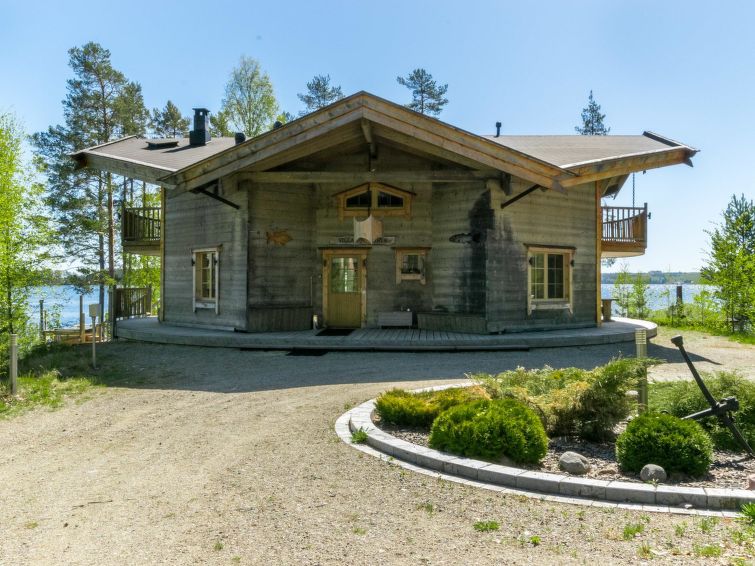
Planning a memorable stay in a new destination is half romance, half logistics. You want the right neighborhood, the right vibe, the right schedule for activities, and the kind of comfort that lets you fully enjoy the days you’ve carved out for rest. At the same time, you don’t want to gamble your time and budget on listings that don’t match what you actually need. That’s where SEO (search engine optimization) comes in. When used thoughtfully, SEO helps vacation rentals and holiday rentals get discovered by travelers who are actively searching—so you spend less time chasing “maybe” stays and more time landing on experiences you’ll remember.
In this guide, we’ll explore how SEO works for vacation rentals, holiday rental destinations, activities, and local experiences. You’ll also find practical, destination-aware strategies you can apply whether you’re a property host, a local guide, or a destination partner working to improve visibility. Along the way, you’ll see how travelers can use search intent and keywords to find accommodations faster—using tools like searchandstay.com to locate accommodations in the area while you refine your plan around the best local experiences.
Why SEO matters for vacation rentals and holiday rentals
Most travelers don’t start with “I wonder what’s available.” They start with a question. “Where can I stay near the old town?” “What’s a family-friendly place with parking?” “Are there rentals with a hot tub near the hiking trail?” SEO helps connect those questions to the right listings, pages, and destinations.
For vacation rentals and holiday rentals, SEO is especially important because the market is fragmented: there are many similar properties, many similar amenities, and many different neighborhoods that feel identical online—unless your content clarifies what’s unique. A strong SEO approach doesn’t just increase traffic; it improves match quality. It attracts the right guests: people who care about walkability, quiet nights, pet policies, accessibility, or proximity to specific activities.
SEO also supports the “whole trip” mindset. Travelers are rarely searching only for beds. They’re searching for a destination experience that includes activities, local culture, transportation options, and wellness-friendly routines—like morning walks, kitchen setups for homemade meals, or restful environments.
Understanding search intent: the foundation of effective rental SEO
If you want to write content that ranks (and converts), you need to understand search intent. Search intent is what a person is truly trying to accomplish when they type a query. In vacation rental SEO, intent usually falls into a few categories:
- Booking intent: “book a vacation rental in [area]”, “holiday rental near [landmark]”, “best Airbnb in [neighborhood]”.
- Location intent: “vacation rentals in [city] near the beach”, “holiday rentals by the lake”, “stay close to the train station”.
- Experience intent: “romantic weekend in [destination]”, “family activities near [area]”, “local experiences in [destination]”.
- Amenity intent: “hot tub vacation rental”, “pet-friendly holiday home”, “wheelchair accessible rental”.
- Problem-solving intent: “quiet cabin with Wi-Fi for remote work”, “place with parking and elevator”, “safe neighborhood for solo travelers”.
Great SEO aligns your content with the traveler’s current question. If the query indicates booking intent, your page should make availability, price range, and “what you get” extremely clear. If the query indicates experience intent, your content should highlight nearby activities, local recommendations, and how the rental supports the plan (timing, distance, transportation, and comfort).
Even wellness-aware travelers—those who care about sleep quality, calm environments, and stress-reducing routines—are using search intent. “Quiet cottage,” “spa-like bathroom,” “morning yoga near me,” and “best neighborhood for walking” are all versions of wellness intent.
SEO for destinations: turning place into a story people want to live in
Destination pages often underperform when they read like brochures. Brochures inform. SEO-friendly content helps visitors decide. A destination page for holiday rentals should answer the practical questions first (where to stay, how to get around, what the neighborhood is like) and then expand into the emotional reasons to visit (the feeling of mornings there, the local rhythm, the culture that makes the trip feel personal).
The best destination content also becomes a map: it guides people from “searching” to “planning.” Consider building destination pages that include:
- Neighborhood snapshots: what it’s like to stay there (quiet streets, nightlife distance, walkability, food options).
- Seasonal guides: what changes in weather, crowds, pricing, and best activities.
- Local experiences: markets, guided walks, workshops, and culturally specific activities.
- Activity clusters: groups of things that make sense together (e.g., “Coastal morning + afternoon museum + evening local dining”).
- Accessibility and transit notes: parking availability, train/bus proximity, and safe routes for walking.
When you create content this way, SEO becomes less about stuffing keywords and more about matching traveler expectations. Search engines tend to reward pages that satisfy users. Satisfying users includes details: distances, typical travel times, what to bring, and what to expect.
Keyword strategy for vacation rentals: how to choose what to target
A keyword strategy for vacation rentals should feel like organizing a wardrobe. You don’t want every outfit; you want the right set for the trip. Start with broad terms, then narrow into highly specific phrases that match real booking behavior.
For example, instead of targeting only “vacation rental,” you can build content around:
- “vacation rentals in [destination] with parking”
- “holiday rentals near [landmark] for families”
- “pet-friendly cabins in [region] near hiking trails”
- “romantic holiday homes with hot tub in [area]”
- “quiet vacation rentals for remote work in [city]”
The long-tail keywords (“near hiking trails,” “quiet for remote work,” “near the train station”) are powerful because they reflect a traveler who already knows what they want. These phrases may be searched less often than broad terms, but they convert better.
To refine your keyword choices, look at competitor pages that rank and identify patterns: do they emphasize proximity, amenities, family needs, or seasonal value? Then craft your own content with better clarity and more useful information. Travelers can smell vague marketing; precise detail reads as trustworthy.
Local SEO for rental hosts and property managers
Local SEO is where rental SEO becomes deeply practical. Local searches often reflect urgency and proximity. The goal is to help travelers find your property (or your content about the area) when they’re already planning a trip.
Key local SEO components for vacation rentals include:
- Consistent business and property information: name, address or service area, phone number, and website content should align across platforms.
- Location-specific pages: a page that genuinely describes the neighborhood, routes, and nearby attractions.
- Structured data (schema): where appropriate, to help search engines interpret property details.
- Local backlinks: mentions from local blogs, tourism partners, community events, or wellness retreats.
- Reviews and content matching: if guests mention “walkable to coffee shops” or “great for families,” incorporate those themes into your pages.
A socially conscious lens also strengthens local SEO. When hosts and local partners highlight responsible practices—like supporting local businesses, offering recycling guidance, using eco-friendly cleaning products, or partnering with community-led experiences—your content can earn trust and attention. Search engines and travelers both respond to credible signals.
Writing listing pages that rank (and feel human)
Listing pages and blog-style destination pages work best together. A property page helps visitors decide. A supporting article helps visitors dream—and then confirm their choice.
To make listing content SEO-friendly, focus on detail and structure. Travelers skim, so use clear sections and avoid walls of text. Consider:
- Headline clarity: describe the core experience in plain language (e.g., “Bright family-friendly holiday home near the old town walkways”).
- Top benefits near the top: what stands out: parking, quiet nights, views, spa-like bathroom, fast Wi-Fi, or easy transit.
- Who it’s perfect for: “best for families,” “ideal for couples,” “great for remote work,” etc.
- What’s included: linens, kitchen tools, travel essentials, heating/cooling, and practical details.
- Neighborhood explanation: how far it is from key points and what the route feels like (safe walk? stairs? parking ease?).
Wellness-aware travelers will appreciate content that reduces uncertainty. “Sleep setup details,” “light filtering options,” “soundproofing notes,” and “calm living space” can be the difference between a guest who books quickly and a guest who abandons the page to search again.
If your property supports local culture or community, say so. A simple line like “We partner with a local bakery for welcome pastries” or “We maintain a guide to community markets” gives your listing a sense of place. It’s not just SEO; it’s storytelling with integrity.
Building content clusters: destinations + activities + local experiences
SEO works even better when you create content clusters. Instead of publishing one generic article, build a network: destination pages link to activity guides, activity guides link to neighborhood guides, and those links all point back to accommodations.
Here’s an example cluster structure you could use for a holiday rental destination:
- Pillar page: “Vacation Rentals in [Destination] — Where to Stay for Walkable Local Living”
- Supporting pages:
- “Best Local Markets in [Destination] (What to Buy, Best Days, Nearby Rentals)”
- “Hiking and Nature Walks Near [Destination] — Routes by Difficulty”
- “Family-Friendly Activities in [Destination] — Rainy Day Options Included”
- “Romantic Evenings: Sunset Spots and Local Dining in [Destination]”
- “Wellness in [Destination]: Yoga, Spa Days, and Calm Mornings”
- Conversion pages: property pages and curated lists like “Top Rentals for [Activity Type]”.
Each supporting page should include practical recommendations and a soft, helpful bridge to accommodations. For instance, an activity guide can mention how early check-in helps if you want to start a dawn hike, or how staying near public transit makes it easier to visit multiple spots without a car.
Optimizing for activities and “day itinerary” searches
Many travelers search for plans, not just addresses. “What to do in [destination] in 3 days” and “a weekend itinerary in [area]” are recurring queries, and they’re ideal opportunities for SEO.
If you create content around itineraries, you can also improve conversion by linking each day to what makes the rental area convenient. For example:
- Day 1: coffee + local market + museum (recommend a rental neighborhood that’s close to these).
- Day 2: nature morning + lunch + cultural workshop (highlight easy parking or transit routes).
- Day 3: slow brunch + scenic walk + sunset viewpoint (suggest rentals with quiet evenings).
This approach aligns with wellness-aware travel because it reduces decision fatigue. Travelers want a plan that feels gentle and realistic—balanced between movement and recovery. SEO content that respects that need tends to earn longer reading times, better engagement, and more bookings.
Using accommodations platforms to support discovery
Once travelers find the destination and activity guides they trust, they still need a place to stay. That’s where accommodation discovery platforms can streamline the process.
When you’re researching vacation rentals or holiday rentals, you can start with destination content (like the guides on activities and local experiences) and then confirm availability and fit through a search platform. For example, you can browse accommodations in the area using searchandstay.com.
The best workflow is to search with intent: filter by the neighborhood that matches your activities, then check amenities that support your travel style. If you’re planning wellness routines, look for calm spaces, strong Wi-Fi for balance days, kitchen setups for simple meals, and easy access to walking routes.
Socially conscious travel: how values can shape SEO performance
Travelers increasingly want trips that feel ethical and connected. They look for signs that local communities benefit and that rentals operate responsibly. From an SEO perspective, values can translate into clearer content, higher engagement, and stronger trust signals.
Consider integrating socially conscious themes into your destination and rental content in a concrete way. Instead of vague statements, offer specific actions:
- Local sourcing: partner with neighborhood businesses for cleaning, repairs, or welcome items.
- Community experiences: recommend workshops, guided walks, and classes led by local hosts.
- Responsible guidance: provide recycling instructions, water-saving tips, and local etiquette reminders.
- Accessibility awareness: include details that help travelers plan confidently (stairs, elevator access, lighting, and noise levels).
Content that respects both people and place tends to read as authentic. Search engines favor pages that satisfy users, and users increasingly value transparency.
Detail that matters: the “small” information that improves rankings and bookings
SEO is often discussed at the technical level—keywords, backlinks, metadata. Those matter. But in vacation rental and holiday rental markets, conversion also depends on micro-details.
Travelers want to know:
- How long a walk is to the nearest café or grocery store (and whether the route is pleasant).
- What the noise level is at different times of day (especially for light sleepers).
- What the kitchen is actually like: cooking basics, coffee setup, dishware, and pantry essentials.
- How bathrooms are laid out (number of showers, towels provided, ventilation).
- What check-in/out feels like (self check-in steps, quiet hours, communication style).
- Whether the home supports a wellness routine: space to stretch, morning light, or a calm outdoor area.
When you include this information, you reduce the back-and-forth messages and lower the chance of mismatched expectations. That improves guest satisfaction and, indirectly, supports better review signals—another SEO factor.
Practical SEO checklist for vacation rentals and holiday rentals
If you want a straightforward approach, here’s a practical checklist you can use for both property pages and destination content:
- Choose one primary keyword theme for each page (e.g., “pet-friendly holiday rentals near [landmark]”).
- Use supportive long-tail phrases naturally throughout the content.
- Create clear sections so travelers can skim and find answers quickly.
- Add location-specific details (walk times, transit options, neighborhood vibe).
- Include activity and local experience recommendations tied to how the rental supports the plan.
- Write for wellness and comfort (sleep quality, quiet, kitchen usefulness, practical relaxation cues).
- Ensure internal links connect destination pages, activity guides, and accommodation listings.
- Keep content updated (seasonal changes, new local events, renovated facilities).
A final note: SEO isn’t a one-time project. It’s a journey—much like traveling itself. The best-performing rental content evolves as the destination changes, as reviews bring new insights, and as travelers’ needs shift.
Turning searches into stays: a traveler-first approach
If you’re a traveler reading this, you can use SEO thinking to navigate the market with confidence. Look for pages that provide the details you’d ask in a message: proximity, comfort specifics, and clear neighborhood context. A listing that answers “How does it feel to stay here?” will usually be easier to trust.
Start with your priorities. Are you looking for a calm place to reset? Do you want to walk to local experiences without constant rides? Are you planning activities that require specific timing—like sunrise hikes, early market visits, or quiet evening dining?
Then browse accommodations with those priorities in mind. For example, you can explore and compare stays using searchandstay.com while you continue researching activities and local experiences. Ideally, your final booking is not just “available,” but also a match for your comfort, values, and schedule.
Make your next trip easier—and your next listing discoverable
Vacation rentals and holiday rentals thrive when they connect with travelers at the right moment. SEO is the bridge between curiosity and confidence: it helps the right guests find the right homes, in the right neighborhoods, for the experiences they actually want to live.
Whether you’re optimizing a property page, building destination content, or planning your own stay, the same principle holds: clarity wins. Share real details. Respect the context of place. Offer practical guidance for activities and local experiences. When you do, search engines and travelers both respond—with visibility, trust, and bookings that feel like a great fit from the start.