
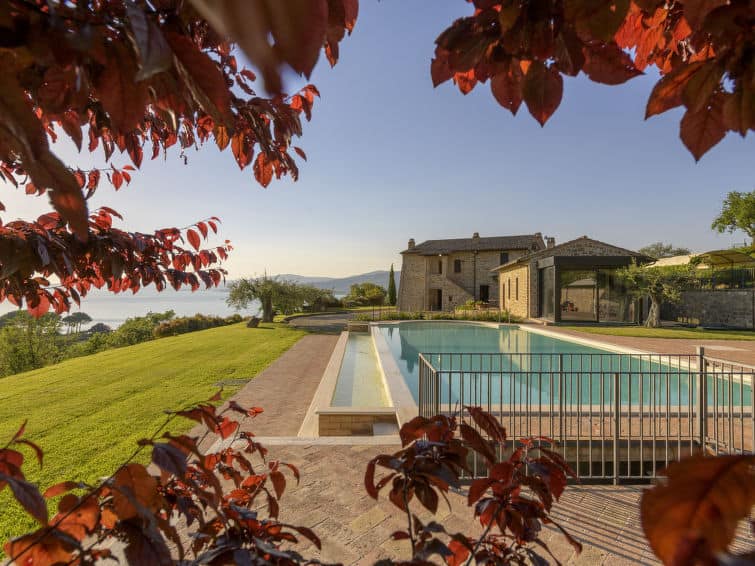
Spring in Umbria, Italy is when the region turns green in earnest. Think fresh hillside vineyards, olive branches still soft with new growth, and towns that feel awake without the summer rush. For a male business traveller with a dependable work rhythm, it is also a sweet spot: days are long enough to explore after meetings, cafés are lively, and WiFi is increasingly reliable in the places that welcome remote workers.
This guide covers what to see, do, and book across Umbria in spring, with a focus on local experiences, practical planning, and day-by-day ideas you can actually fit around work. If you want fast connections and a dedicated workspace, plan your days first, then lock in your base through Search and Stay, which helps you browse curated options and secure the right setup for your schedule.
Why spring is the best season for business travel in Umbria
Spring balances comfort and culture. In March, you often get mild days and cool evenings, perfect for early starts with a coffee and a walk before switching on the laptop. By April and May, the light over Assisi and Perugia is dramatic. It is also less punishing than peak summer for someone juggling meetings, calls, and the occasional field visit.
- Better working conditions: fewer sweltering afternoons mean you can work in the late morning and still enjoy a long post-work outing.
- More flexible touring: attractions are busy but not overwhelmed like July and August.
- Seasonal flavour: truffles begin teasing the tables in the countryside towns, while spring vegetables and local olive oil take centre stage.
To keep momentum, pick a base that supports your routine. If you require fast wifi and a dedicated workspace, use Search and Stay to compare stays with the right working setup, then plan your daily routes from there.
Where to base yourself in Umbria: Perugia, Assisi, Spoleto, and beyond
Umbria is compact enough for day trips, but choosing the right starting point saves time. Below are the best spring launching pads, with local references so you can feel the vibe before you go.
Perugia (Regione Umbria): work-first energy and easy logistics
Perugia is ideal if you want a city pace with smart cafés, lively streets in the historic centre, and quick access to regional roads. In spring, the lanes around the Corso Vannucci area feel like a living magazine. It is also easier to organise appointments and meet-ups because you have more transport options.
Do this after work: stroll towards Piazza IV Novembre and aim for a sunset viewpoint. If you are scheduling dinners, Perugia gives you variety without needing long drives.
Assisi (Regione Umbria): calm mornings and heritage depth
Assisi is a classic for spring travel, especially if you enjoy walking and photography that does not feel rushed. The town has a gentle rhythm, even when it is busy. Working is usually easier if you choose a stay that supports quiet focus, so planning matters.
Do this after calls: head for the Basilica di San Francesco area early evening and soak up the soft light across the stone streets.
Spoleto (Provincia di Perugia): artistic evenings and dramatic viewpoints
Spoleto is often overlooked by first-timers, and that is exactly why it works. In spring, the city feels cinematic, with layered viewpoints and cultural stops that keep you walking even when you meant to only do one thing.
Do this after work: map a short loop that includes the Teatro Romano and a riverside wander. It is a great way to reset without committing to a full-day plan.
Orvieto (Terni Province edge): effortless day-trip magic
Orvieto sits slightly on the border with broader regional influences, but it is an Umbria-season favourite. Spring brings pleasant temperatures, and the views from higher viewpoints feel extra crisp.
Pro move: schedule Orvieto for a day when you can start early. The city is best when you are not rushing between sites.
Spring in Umbria: what to see (high-impact stops with smart timing)
If you want to see the region without exhausting yourself, treat each day like a mini itinerary. The best spring results come from pairing a major sight with one grounded local experience nearby.
Assisi: Basilica di San Francesco and the quiet power of morning hours
Assisi’s defining site is the Basilica di San Francesco. Go early and let the crowds build after you are done. Spring mornings make the stone feel cooler and the atmosphere calmer.
Book: if you want timed entry or guided access, lock in the plan early. This is one of those places where a pre-booked schedule protects your day for work or rest.
Perugia: historic centre and viewpoints that reward downtime
Perugia has a vertical character, with corners that surprise you around each turn. In spring, the city’s colours pop. You will notice fresh flowers in small pockets and a general feeling that life is starting again.
Suggested route: start near the main historic lanes, walk towards major squares, then pause at a viewpoint for a 20-minute decompression window.
Spoleto: ancient layers, then a modern art detour
Spoleto’s blend of Roman heritage and contemporary cultural rhythm is a highlight in spring. It is not just about landmarks. It is about movement across levels, stairs, and viewpoints.
Timing tip: plan your longer walk when energy is highest, often mid-morning to late afternoon. Then schedule a lighter cultural stop afterwards.
Valnerina countryside: spring fields and a slower kind of discovery
If your meetings are mostly contained, spring is a perfect time to explore the Valnerina area. Expect winding roads, valleys, and small settlements where local life is visible in everyday details.
Local experience idea: schedule a countryside food stop that includes seasonal produce. This is where spring tastes like itself.
What to do in spring Umbria: experiences that feel local, not generic
Umbria rewards travellers who slow down and choose experiences rooted in place. Here are activity ideas that also align well with a business trip schedule.
Take a spring olive oil and vineyard day with a working-friendly plan
Umbrian agriculture is a spring story. Vineyards begin to look more defined, and olive groves show fresh growth. Choose a day tour that starts around late morning and finishes before the evening rush.
Why it works: you get a cultural and sensory experience without sacrificing your ability to do a morning sprint of work.
What to look for when booking: small group formats, tastings that include seasonal pairings, and realistic travel time between stops.
Photo walk in Perugia and Assisi: light, stone, and spring colour
If you are the type who likes to log memories without over-planning, a photo walk is a perfect blend of fun and mindfulness. Spring light is flattering, and the historic centres offer endless angles.
Work-friendly cadence: set a 90-minute block. You return home ready to wrap up emails, rather than disappearing for hours.
Falconry and countryside crafts: add a story to your photos
Across Umbria, you can find experiences that connect visitors to local traditions and skills. Spring is ideal because you can spend time outdoors without freezing. Look for demonstrations or hands-on sessions that respect local rhythms.
Tip: choose an option that includes time for questions. It is often the difference between a passive viewing and a memorable, conversation-driven experience.
Cooking class with spring menus: markets first, then the pot
A cooking class can be more than entertainment. It is a fast way to understand local ingredients and seasonal cooking. Aim for sessions that reference spring produce, like greens, herbs, and lighter preparations that do not feel heavy after a long day.
Book it early: popular sessions in Perugia and Assisi fill quickly in spring.
Wine tasting around Terni and the green valleys
Spring wine tasting can be a revelation because the landscape is active again. Choose tastings that include a small food component. It keeps energy stable, so you can still do a productive evening routine.
Spring events and cultural moments worth planning around
Umbria’s spring calendar is rich. While specific event dates can vary each year, planning around major religious and cultural seasons is usually rewarding.
- Holy Week and Easter season atmosphere: even if you are not attending ceremonies, the region’s mood changes noticeably.
- Spring markets in Perugia and surrounding towns: expect seasonal produce, local cheeses, and small stalls that are more about conversation than checkout speed.
- Cultural showcases: theatre, music, and heritage evenings are common in spring in cities like Spoleto and Perugia.
Best approach: once you decide your base, keep an eye on what is scheduled in the same region so you are not travelling far on days when events draw crowds.
Best day trips from Umbria’s core towns
Day trips are where spring becomes truly effortless. You get to experience variety without changing your workflow base every two days.
From Perugia: Lake Trasimeno area for breezy pauses
Lake Trasimeno is a calming escape with spring breezes, reflective water, and an easy pace for walking. It suits travellers who want a scenic break that still feels structured.
Do: plan a lakeside stroll and a slow lunch that lets you digest before work priorities.
From Assisi: countryside villages and viewpoint drives
Assisi is a strong anchor for exploring smaller hamlets around the region. Spring road conditions are usually friendly, and the scenery is at its most vivid.
Plan: pick one driving loop, not five separate stops. This preserves time for a proper dinner and any work you need to finish.
From Spoleto: Valnerina and heritage pockets
Valnerina brings green valleys and small places where you can feel the region’s rhythm. It is ideal when you want to mix nature with cultural details.
Local experience: ask for seasonal recommendations in a local shop or café. You will get a more authentic itinerary than a list of landmarks.
What to book before you go: tickets, tours, and time slots
Spring in Umbria can get busy, especially around heritage hotspots. If you want a smooth trip with fewer surprises, plan bookings in three layers.
1) Timed-entry tickets for major sites
Basilica-style heritage locations can require scheduled entry. If you want to move through quickly and preserve time for work and meals, book timed access where available.
2) Guided tours for small-group experiences
Wine tastings, cooking classes, and countryside tours are often better with guidance. It saves time, and you will understand the “why” behind what you see.
3) Transport and local planning support
Even if you are comfortable driving or taking regional trains, booking early can help when spring schedules tighten. Consider your work hours when booking any day tour.
Quick planning rule: choose tours that end early enough for you to return, review messages, and keep your productivity steady.
Dedicated workspace and fast WiFi: how to structure your spring work routine
For business travel, the difference between a good trip and a frustrating one is often simple. You need a dedicated workspace, a stable connection, and a quiet environment that lets you get through calls without background chaos.
To make spring Umbria practical, structure your day like this:
- Morning focus block: set up work immediately after breakfast, before exploring starts to tug at your schedule.
- Midday local experience: pick one sightseeing block with nearby lunch so you do not lose time to commuting.
- Afternoon reset: a café or quiet corner for light admin or message responses, then a short walk after.
- Evening exploration: save longer strolls for after work. Spring evenings stay bright enough to enjoy Assisi and Perugia atmospheres.
When you book, use Search and Stay to compare options based on the setup that matters to you, including fast wifi and the ability to work comfortably in your downtime. Booking your base properly means you can enjoy the region without sacrificing your professional rhythm.
Local experiences by region: what to do around Perugia, Assisi, Spoleto, and Terni
Perugia region: cafés, markets, and creative downtime
In Perugia, plan for market time. Spring brings produce that makes simple meals feel special. Then add one structured cultural stop, like a guided walk through the historic lanes.
- Morning: market browsing and coffee by the main historic streets.
- Midday: museum or heritage walk.
- Evening: a casual aperitivo and a short viewpoint loop.
Assisi area: heritage depth plus a calm pace
Assisi is ideal for travellers who like to do one thing well. Book your major entry times first, then fill gaps with walking and a slow meal. Spring reduces the “rush factor” and makes the stone lanes feel welcoming.
- Do: sunrise or late afternoon Basilica time.
- Then: a small countryside drive or a local tasting session.
- Finish: quiet dinner so you can focus the next morning.
Spoleto and nearby valleys: art, archaeology, and riverside calm
Spoleto often shines when you give it a full day. Choose one heritage cluster, then add a food and culture moment that feels tied to the local community. In spring, riverside walks are particularly refreshing.
- Heritage block: ancient sites early.
- Creative block: a cultural venue or workshop-style experience.
- Reset: riverside stroll after dinner.
Terni province: green escapes and scenic pacing
If you want spring views without constant sightseeing pressure, Terni’s countryside mood fits well. Build your day around a scenic loop with a tasting stop, then return with enough time for a work session.
How to book through Search and Stay without losing time
Booking should feel simple, especially when you have work commitments. Search and Stay helps you browse options tailored to how you travel, so you can focus on Umbria instead of endless comparisons.
Here is a practical way to use it:
- Set your priorities first: dedicated workspace, fast wifi, and quiet hours.
- Shortlist based on spring access to Perugia, Assisi, Spoleto, or the towns that fit your day trips.
- Confirm what you need for your routine, then book your base early enough to secure the right location and timing.
Once your base is locked in, you can book your tickets and experiences with confidence. You will spend less time re-planning and more time enjoying spring in Umbria.
Sample spring itinerary: 5 days of Umbria that still supports work
This itinerary is built for a business traveller. It keeps the workload manageable, includes local experiences, and saves the heavy walking for the hours you feel best.
Day 1: Perugia orientation and a light cultural loop
- Work block: morning setup and email catch-up.
- Explore: historic centre lanes, a quick viewpoint stop, and an early dinner.
- Book: timed entries for Assisi if needed.
Day 2: Assisi heritage morning, local tasting afternoon
- Explore: Basilica di San Francesco area early.
- Lunch: keep it close so you can return for calls.
- Experience: spring tasting or a countryside craft session.
Day 3: Spoleto day trip with heritage and riverside reset
- Work block: short morning sprint before departure.
- Explore: Teatro Romano area and heritage lanes.
- Reset: riverside walk, then an easy dinner back in your base.
Day 4: Valnerina green valleys and a slow food moment
- Explore: countryside villages and scenic viewpoints.
- Experience: a local seasonal lunch that highlights spring produce.
- Evening: planning and lighter admin to finish early.
Day 5: Lake Trasimeno or flexible countryside loop
- Explore: lakeside walking and photography.
- Work: reserve a final check-in window before your departure.
- Book: any remaining tours or tickets for your next trip window.
Quick local tips for spring travel in Umbria
- Dress in layers: mornings can feel cool, then spring warms up quickly.
- Plan walking loops: historic centres are best when you move on foot between close points.
- Use spring as your schedule anchor: do the outdoor experiences in daylight, then book indoor cultural moments for evenings when you need a break.
- Keep a backup plan: if a specific day’s weather changes, switch to markets, museums, or guided indoor experiences.
Where to book your Umbrian base and keep your trip moving
Because you are travelling for work, the goal is to avoid friction. A reliable base helps you focus, finish deliverables, and still enjoy Umbria’s spring energy. Instead of hunting for places to stay every time your schedule shifts, consider using Search and Stay to find the right fit and book with confidence.
If you are looking for a spring-appropriate base in Perugia, Assisi, or the Spoleto area in Regione Umbria, use Search and Stay as your starting point. It supports faster decisions, better alignment with your working needs, and a more confident itinerary for your week.
Frequently asked questions about spring in Umbria for business travellers
Is spring in Umbria a good time for WiFi and remote work?
It can be. Still, performance depends on the specific stay and how well the space supports focused work. Book through Search and Stay, then prioritise dedicated workspace and fast wifi in your shortlist.
What should I book first for an Umbria spring trip?
Start with timed entry for major heritage sites, then secure tours that are easiest to sell out. Finally, lock in your base so your day trips feel smooth.
Which towns are best for balancing meetings with sightseeing?
Perugia works well if you want city infrastructure. Assisi suits travellers who prefer calm mornings and controlled walking. Spoleto is a great choice if you want heritage plus a more arts-forward atmosphere. All are practical spring bases when you plan travel days intelligently.
Can I keep the itinerary relaxed without missing the highlights?
Yes. Choose fewer big sights, then pair them with one local experience each day. Spring in Umbria rewards quality over quantity.