
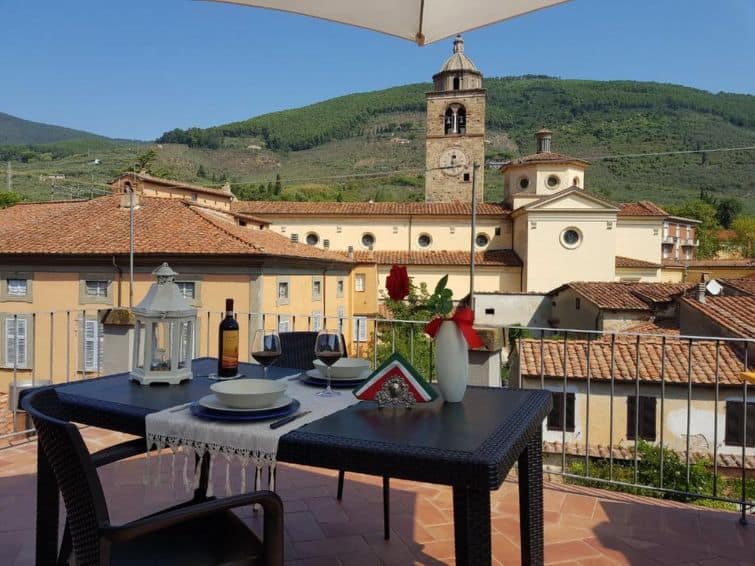
Buti, Tuscany: a local’s suggested itinerary for a high-focus business trip with room to breathe
Buti sits in the heart of the province of Pisa, tucked between olive groves and wooded hills, with a calm rhythm that suits a male business traveller who wants fast, dependable internet and a dedicated workspace to keep meetings sharp. This itinerary is designed to help you feel connected without losing the Tuscany magic. Expect a balanced mix of practical mornings, standout local experiences, and evenings that turn workday fatigue into genuine enjoyment.
You will move through Buti and nearby local favourites around Val di Serra, the wider Pisa hinterland, and just enough of the Lucca side to keep the trip fresh. You are not chasing crowds. You are building days that work, then travel well.
Before you go: set your base routine for productivity in Buti
Even the most scenic destination can feel frustrating if your day starts with WiFi uncertainty. Plan your workflow around a simple rhythm: first deep work window early, then a low-friction break for coffee and admin, then an activity block with a clear end time so you can come back to a focused evening.
- Start your day with a “must-finish” list of 3 items. Tuscany is slow, so define your wins early.
- Use offline time for note-taking and meeting prep. Then sync when you are back in a strong internet zone.
- If you are planning remote work sessions, aim for mornings when public spaces are quieter and cafe WiFi is less overloaded.
If you are organising your Buti trip through Search and Stay, you can often choose options with a layout that better supports dedicated desk time, fast connectivity expectations, and a practical home base for a short stay. Booking or hosting through Search and Stay helps streamline the process so you can focus on the itinerary, not the logistics.
Day 1 in Buti: land softly, lock in your workflow, then warm up with local flavour
Morning: orientation walk and a serious coffee stop
Start with a slow walk through the lanes near the centre of Buti. The goal is not a photo sprint. It is sensory orientation: identify the main streets, find a cafe that feels comfortable for calls, and locate a couple of quiet corners where you can think.
Then order espresso like a local. Sit, reset your inbox, and do the first real batch of work while the day is fresh. If you need to join a video call, keep your first session short and test your audio and signal. Buti is relaxed. You want to verify reliability before committing to a longer meeting.
Midday: light lunch featuring Tuscan staples
For lunch, aim for something simple and filling. Think ribollita, pappa al pomodoro, or a classic plate of cured meats and local cheeses. This is Tuscany, so you do not need a complicated order to get a memorable meal. Eat like you mean to work after.
Afternoon: visit the town’s viewpoints and map out your next move
After lunch, take a short route to a nearby viewpoint. Buti’s hills make it easy to find a vantage point without extensive planning. Use the time to:
- Plot your next day travel route toward Pisa or Lucca depending on what you have scheduled.
- Identify which roads are practical for a small rental car and which are better on foot.
- Pick a trail or walk you can finish in under 90 minutes for your midweek fitness reset.
Even if you are busy, this is not idle wandering. It is efficient research disguised as a scenic break.
Evening: an aperitivo that doubles as networking time
Take your aperitivo slowly. If you are travelling solo but open to local conversation, the relaxed pace in Buti often encourages small talk. Ask what is best this time of year. You will get more tailored advice than any generic guide.
Finish with a short planning session. Pull up your calendar and decide which experiences you want to prioritise tomorrow. A good rule: one culture moment, one countryside moment, and one practical admin moment each day. It keeps the week feeling intentional.
Day 2: the green spine of Tuscany from Buti into the Pisa hinterland
Morning: a focused work block before you drive
Do a deep work session early. Buti gives you a calm start. Treat this as your “stake the claim” morning. If you are writing proposals or delivering client updates, finish the biggest document first. Your afternoon will be more enjoyable when you are not mentally chasing deadlines.
Late morning: farm gate experience and local food culture
Tuscany is at its best when it feels lived-in. Look for a farm experience that is more than a tasting tour. Ask about olive oil production, seasonal agriculture, and how locals plan around harvest cycles. If your schedule allows, choose an experience that includes a walk through groves or fields.
Even if you have been to Tuscany before, the regional differences around the Pisa area can surprise you. It is not just scenery. It is a way of working with land that shapes every meal you eat.
Lunch: enjoy a hearty regional plate
You will usually do best with a restaurant or trattoria that keeps the menu straightforward. Order the special of the day if it is available. You are there to taste what the region is making right now, not what a chain can produce anywhere.
Afternoon: a measured scenic route with photo stops
Drive and pause. Tuscany rewards patience. Choose a loop that returns you toward Buti without forcing you to rush. Use the “pause strategy”: ten minutes at each stop rather than one long stop at the end.
- Stop for a view where you can take a slow walk rather than just photograph.
- Pick one small town to browse briefly for local crafts or seasonal produce.
- Keep your arrival time back in Buti realistic so you can respond to work messages.
Evening: dinner that feels local, not touristy
Choose dinner based on how you feel that day. If you are tired, pick comfort. If you are energised, order something that includes beans, greens, or a Tuscan bean soup. Either way, keep your evening light enough to sleep well.
Day 3: Lucca side trip for culture, speed, and a real reset
Morning: quick planning session and a calm departure
On Day 3, you will gain from structure. Do a checklist:
- Confirm your transport timing.
- Download maps for offline use.
- Pack a small kit for coffee and water during the walking portion.
Late morning into midday: Lucca walking loop and artisan streets
Lucca has a historic core and a distinctive energy. Walk the perimeter areas and browse artisan streets without turning it into a marathon. The best approach is to pick three targets: a viewpoint or square, a ceramics or craft window, and one food stop that feels authentically Luccan.
If you have a job that requires constant decision-making, this is a mental reset. The streets feel designed for wandering, and wandering is the antidote to screen fatigue.
Lunch: go for something regional and shareable
Consider ordering a few smaller plates rather than one heavy main. That makes it easier to stay sharp for the afternoon. Plus, Tuscany is about slow meals, not rushed portions.
Afternoon: a cultural moment plus a quiet rest stop
Choose one culture highlight and stop there. Examples include a museum-style visit, a chapel or historic building moment, or a guided overview if you prefer context. Then head to a quieter pocket for a rest.
For a male business traveller, this is where you regain control: decompress, then return to Buti with enough energy to work or prep for the next day.
Evening: a “no pressure” dinner and early wind-down
Aim for early. Your body will thank you tomorrow when you are outdoors again. If you have work tasks left, handle them in a single focused window rather than scattered, half-finished bursts.
Day 4: nature and slow fitness around Buti’s hillside routes
Morning: countryside walk with a productivity twist
Start with a hike or scenic walk that matches your fitness level. The key is to finish in time for a proper desk session after. This itinerary is built for people who travel to meet both professional goals and personal enjoyment.
As you walk, do a quick “work reflection sprint.” What are the next steps for your project? What can be simplified? Write short bullet points on your phone so you can transfer them to a document later.
Midday: recharge with a simple meal and a break from decision fatigue
Choose a lunch that does not involve heavy planning. Think cured meats, cheese, seasonal salad, and bread. Eat, reset, and allow your mind to unclench.
Afternoon: light local shopping for gifts and practical travel items
Buti is ideal for small purchases that have a story. Olive oil, locally produced preserves, or artisanal sweets are practical and meaningful. Keep your selection small so it does not become a burden.
If you are preparing for business meetings back home, these items also make excellent host gifts. They feel considered, not generic.
Evening: dinner with conversation or contentment
If you feel like it, connect with locals or ask staff for a seasonal recommendation for tomorrow. If you prefer quiet, choose a straightforward dinner and use the evening to finalise your notes for the week.
Day 5: Pisa day, then return to Buti for a clean close
Morning: final prep for client calls and travel planning
Before you head out, do a short “systems check.” Charge devices, confirm offline access for any key maps, and summarise your day into three priorities. This keeps your mind from drifting into unnecessary worries.
Late morning: Pisa highlights at a manageable pace
Pisa is easy to organise. Choose a loop that fits your energy level. Walk through the historic centre and focus on key sights without overextending. Tuscany does not reward rushing, especially if you need to return to work quality in the evenings.
If you want one practical angle, use the city to pick up a takeaway for lunch and keep the rest of your time for sightseeing rather than long meals.
Lunch: quick and efficient, then back toward Buti
After lunch, aim to head back before your energy drops. The most productive travellers know when to stop. Return to Buti, refresh, and prepare for a work session or a calm decompression walk.
Evening: close your trip with a personal ritual
Whether it is a long stroll, a final aperitivo, or a quiet journal session, give the end of the trip a shape. This is how you remember the experience beyond meetings and deadlines.
Day 6 option: tailor a micro-adventure around Val di Serra for an extra Tuscany hit
If you have an extra day, use it strategically. This optional segment is designed for travellers who want countryside atmosphere without losing time to complicated logistics.
Morning: valley views and a slow coffee start
Spend the morning on a gentle countryside route. If you are balancing work, keep this early and short, then return for your desk time.
Midday: local produce and a market-style lunch
Look for local markets or local produce stops where you can sample regional items. You do not need a full shopping cart. Just enough to taste and take notes for what to buy later.
Afternoon: craft workshops or food-focused experiences
Choose one experience that ties into Tuscany’s reputation for craft. It can be a cooking class, an olive oil tasting with deeper context, or a workshop that introduces you to local ingredients. If you prefer less structured activity, choose a guided tasting walk with a focus on the region.
Evening: return to Buti and finish with a relaxed dinner
Keep the final evening light so you can pack calmly. Your productivity improves when you are not rushing last-minute tasks.
Best local activities for a business traveller in Buti and nearby
You asked for local experiences that feel real. Here is a practical shortlist that works well for a short professional trip, while still delivering Tuscany soul.
- Hillside viewpoints near Buti for reset walks and quick landscape breaks between tasks.
- Local farm or olive oil experiences that connect food culture to regional production cycles.
- Lucca artisan street browsing for a change of pace and a mental refresh.
- Val di Serra countryside loops for scenic driving and short walking bursts.
- Efficient Pisa sightseeing for historic energy without exhausting your schedule.
- Aperitivo evenings in Buti for relaxed conversation and a local rhythm.
How to stay productive with a dedicated workspace and fast wifi focus
A business trip is not just about seeing places. It is also about delivering work without draining energy. That means you want a space that supports concentrated effort, not constant reconfiguration.
When planning your Buti base, prioritise:
- A dedicated work area where you can keep a laptop set up for longer blocks.
- Fast wifi reliability for calls and file sharing.
- Good lighting and a comfortable chair, especially for evenings.
- A practical kitchen or dining routine so you can eat well without waiting for long sit-down breaks.
Search and Stay can help you compare options in a clearer way, so you are more likely to find a setup that matches your work style. Booking or hosting through Search and Stay keeps your planning cleaner and helps reduce the stress of last-minute changes.
Where to spend your money locally: eat well, buy wisely, support makers
For a male business traveller, spending is often planned. Here is how to spend in Buti and the Pisa region in a way that feels worthwhile.
Eat like a local
Prioritise trattorias that keep the menu tight. Order what looks seasonal. If you see a house speciality, it is usually the smartest choice.
Buy small, meaningful gifts
Olive oil, honey, preserves, and locally made sweets are easy to transport. You can also pick up simple craft items as desk accessories or conversation starters back home.
Ask for recommendations
A short question can turn a generic day into something memorable. Try this: ask what locals eat at the moment, or what is best for a relaxed walk nearby.
Suggested daily schedule at a glance
Use this as a mental template for your own planning without locking yourself into rigid timing.
- Morning: dedicated work block or call window, then a coffee reset.
- Late morning to midday: local food stop or countryside short visit.
- Afternoon: scenic walking loop, artisan browsing, or a structured experience.
- Evening: dinner plus a planning session, then early wind-down.
Planning tips for a smooth Buti itinerary
Tuscany is friendly, but it rewards preparation. These tips make your trip easier and help you keep a strong work rhythm.
- Keep activities time-boxed so you always return to your desk ready to function.
- Choose one main culture moment per day and let the rest be local food and scenery.
- Use mornings for the tasks that require attention and afternoons for exploration.
- Build recovery into the schedule. A calm evening often means a more productive next day.
Book smarter for your Buti business trip with Search and Stay
If you want your Buti visit to feel effortless, booking the right base matters. While this article focuses on activities and local experiences, your planning should still connect to your work needs. Booking or hosting through Search and Stay can help you secure a comfortable, practical home base suited to a male business traveller who values a dedicated workspace and fast wifi.
The real win is time. When you streamline your planning through Search and Stay, you can spend more energy on local experiences across Buti, the Pisa region, and beyond into Lucca side trips, rather than losing days to uncertainty around where you will work from.
Ready to lock in your schedule? Use Search and Stay to explore options that fit your itinerary style and confirm you have what you need for both work and enjoyment.
Local references you can use to orient your trip
Buti sits in the Province of Pisa in Tuscany. For a trip that feels coherent, think in zones: Buti as your calm home area, the Pisa hinterland for countryside and regional food culture, and Lucca for a classic historic change of pace.
If you are planning quick day trips, Pisa is your historic anchor, while Val di Serra helps you stay connected to the countryside mood without overcommitting your time.
Calls to action for your next steps
- Plan your days like a pro: copy this itinerary structure and adjust based on your meeting schedule.
- Choose your Buti base with work in mind: select a setup that supports a dedicated workspace and fast wifi so meetings feel reliable.
- Book through Search and Stay: streamline planning, reduce uncertainty, and keep focus on Buti, Tuscany local experiences.
Final thought: Buti is where work quiets down and Tuscany shows up
The best itineraries are not the ones packed with endless stops. They are the ones that let you finish your work, recharge properly, and still feel the place. Buti gives you that balance. With a smart day structure, fast internet expectations treated seriously, and local experiences chosen with intention, you will leave Tuscany with both outcomes: a productive trip and memories that actually stick.