
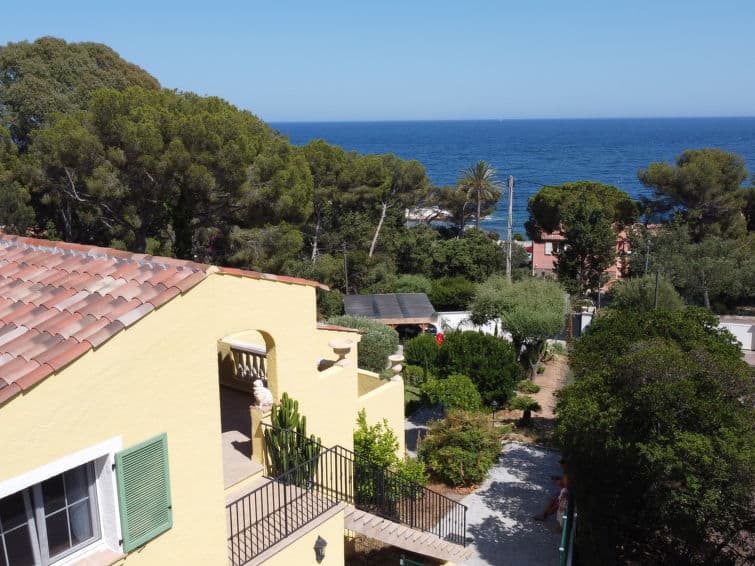
Provence-Alpes-Côte d’Azur for First Timers: how to plan like a local and travel like a pro
Welcome to the Provence-Alpes-Côte d’Azur region, where the colours look edited, the markets feel like a daily festival, and every drive seems to come with its own postcard scene. If you’re a first timer, the big challenge is usually not finding things to do. It’s choosing an efficient route, timing your days so you avoid the chaos, and making sure your family-friendly plans still feel spontaneous.
This guide is built for real travellers. Think: sun-smart pacing, kid-friendly activities, practical logistics, and safety-conscious choices. You’ll also find local experiences in places like Nice, Antibes, Cannes, Aix-en-Provence, Avignon, Saint-Rémy-de-Provence, Grasse, and the dramatic corners of the Alpes around Nice and Menton. And yes, you’ll get the “do this first, then that” planning mindset to navigate Provence-Alpes-Côte d’Azur like a pro.
Start with a simple game plan: split the region into 3 mood zones
Provence-Alpes-Côte d’Azur is not one destination. It’s a patchwork of distinct vibes. If you try to do everything from day one, you’ll pay for it with long drives and rushed afternoons. Instead, split your trip into three mood zones. You can mix and match based on your interests and family schedule.
Zone 1: The Riviera glow (Nice, Antibes, Cannes, Menton)
Expect sea air, promenades, beach days, boat outings, and late dinners. Great for travellers who love walkable days and easy access to food, sights, and public transport. If you’re travelling with kids, the Riviera is also convenient: you can build a day that alternates between outdoor fun and indoor breaks without burning the clock.
Zone 2: Provence classics (Aix-en-Provence, Luberon, Avignon, Saint-Rémy-de-Provence)
This is where you chase markets, lavender landscapes, and village wandering. It’s also where you’ll feel the “Provence magic” most strongly. If you’re planning around a school-holiday rhythm, Provence rewards you for starting early, choosing one base region, and taking day trips.
Zone 3: Perfume, peaks, and hill towns (Grasse, Vaucluse villages, Alpes edges)
Grasse delivers perfume history you can practically smell. The hill towns add drama, scenic viewpoints, and a slower rhythm that feels calming after busy coastal days. In the Alpes edge, you’ll find cooler air and unforgettable views, especially if you time it right.
Plan your days with “activity bands” to stay relaxed (and safer)
Here’s a travel trick that keeps families happier and helps you avoid the biggest Provence-Alpes-Côte d’Azur pitfall: rushing in the heat, in traffic, or during peak sightseeing times. Use activity bands.
- Morning band (8:00 to 11:30): markets, monuments, farm or village exploring, photo stops, short scenic walks.
- Midday band (11:30 to 15:30): museums with air-conditioning, lunch breaks, shade-time, playground stops, or a structured cultural activity.
- Afternoon band (15:30 to 19:30): coastline strolls, viewpoint drives, family-friendly activities, boat tours, sunset markets.
This schedule is not just pleasant. It’s safety-conscious. You reduce the time kids spend in strong midday sun, you avoid the highest crowd density at major sites, and you build in buffer time for transport delays.
Transportation reality check: what first timers often get wrong
Provence-Alpes-Côte d’Azur travel is easy once you match your transport choice to your route. First timers often try to cram a “coast plus countryside” itinerary with constant backtracking. That’s where plans unravel.
If you’re driving, choose fewer hops and smarter loops
Driving is fantastic for villages, scenic roads, and flexible day trips. But do it like a local: keep your base consistent and plan one or two day excursions rather than constant moving.
Also, remember that parking rules and traffic patterns can be intense around major centres. For family convenience, build buffer time so you’re not sprinting between parking and a booked activity.
If you’re using trains and local transport, pick hubs
The rail network is convenient for the Riviera and parts of Provence. It’s also a calmer option with kids, especially when you want predictable timing. Aim for a day plan built around train times and short walks, and you’ll feel the ease quickly.
Must-do local experiences in the Riviera (Nice, Antibes, Cannes, Menton)
The Riviera isn’t only about beaches. It’s also about culture, family-friendly adventures, and food experiences you’ll talk about long after you’re home.
1) Morning at the market, then a slow coastal walk
Start with a market morning, then keep the rest of the day gentle. Look for fruit, local snacks, olives, socca or pastries, and seasonal produce. Then take a seaside route that suits your pace. Travellers who plan like this usually end up with better photos and fewer meltdowns, because everyone stays energised.
2) Boat time: a family-friendly “see it from the water” day
Boat experiences along the coast can turn a typical sightseeing day into a memory. Choose a half-day outing for convenience, especially with children. For safety, pick reputable operators, confirm life jacket availability, and avoid the hottest midday slots if you’re travelling with kids.
3) Old-town exploring with kid breaks built in
In places like Nice and Antibes, narrow lanes can be delightful but also tiring. Build a “landmark first, rest second” plan. Walk until you hit a natural pause point: a plaza, a shaded square, or a gelato stop. Then continue.
4) Menton lemon charm for a bright day trip
Menton has a cheerful vibe that works for families. Think citrus-themed culture, waterfront promenades, and relaxing strolls. If you’re travelling at the right season, you may catch festivals that add extra sparkle.
Provence bucket list, first-timer edition (Aix-en-Provence, Luberon, Avignon)
Provence can feel like a dream, but it works best with smart timing. The goal is to see the iconic bits without turning every day into a marathon.
1) Aix-en-Provence: coffee culture plus people-watching
Aix is a win for first timers because it’s lively, walkable, and easy to structure. Spend the morning near the centre, then plan lunch early enough to avoid the busiest periods. In the afternoon, let kids explore shaded lanes while adults do photo stops and quick cultural visits.
2) Luberon village circuit: pick 2 villages, not 6
The Luberon region is tempting. Every village looks like it belongs in a movie. But first timers often overcommit. A smarter plan is to choose two villages per day, arrive early, and schedule one longer stop for lunch. That way, you’re not rushing through narrow streets, and you can actually enjoy the slower pace Provence is famous for.
3) Avignon in the late afternoon: atmospheric and family-friendly
Avignon has a historic heartbeat. For many families, late afternoon is the sweet spot: cooler temperatures, softer light for photos, and less peak congestion than midday. Keep it simple: choose one major historical area, then add a nearby park or relaxed stroll.
Grasse and perfume country: experiences that smell amazing
Grasse is one of those places that surprises first timers in the best way. It’s not just “perfume museums”. It’s sensory, interactive, and surprisingly family-friendly when you plan the day properly.
1) Perfume discovery that’s fun for all ages
Look for immersive experiences where you learn about ingredients and how scent profiles are built. Many experiences are designed for visitors who want more than a lecture. For kids, choose shorter formats and plan a snack break afterwards.
2) Scent garden stroll and photo moments
After a perfume-focused visit, head outdoors for calmer exploration. It’s a nice rhythm shift: indoor learning followed by open-air walking. You’ll feel refreshed rather than museum-fatigued.
3) Taste the region: local bites and market snacks
Perfume country is also food country. Build your day around local tastings. That can mean a market stop, a casual lunch, or a sweet treat break. For convenience, choose experiences that end near a meal option, so you’re not hunting with tired kids in the late afternoon.
Alpes edge experiences: cooler air, dramatic views
Even if your main vibe is coast and classic Provence, the Alpes edge can be a highlight. It’s where the scenery goes from beautiful to breathtaking.
1) Scenic viewpoints with safe walking paths
Choose viewpoints with established paths and handrails when possible. With kids, this matters. Build in short walking loops rather than long hikes. The payoff is huge: panoramic photos, fresh air, and a calm reset from coastal crowds.
2) Nature time that feels easy, not exhausting
First-timer trips often include too much “ambition”. Nature experiences should feel like a bonus, not a punishment. Consider short trails, picnic-style breaks, and simple exploration around established areas.
How to choose your base: convenience, family flow, and day-trip ease
Where you start each day is the secret weapon. Your base shapes how smoothly your itinerary runs, especially with kids and early morning plans. For a first timer, the best strategy is to choose a location that makes your key experiences easier rather than trying to squeeze in multiple far-flung regions every day.
Search and Stay is a practical way to browse places to stay with a focus on comfort and convenience. It helps you filter options by what matters for your family rhythm, whether that’s proximity to day-trip routes, practical access to local experiences, or staying organised without last-minute stress. Booking ahead can also reduce the scramble when popular dates sell quickly.
What to look for in a first-timer base (without overthinking it)
- Easy access to daily activities: markets, attractions, and transport links.
- Family comfort: space to decompress after a busy day.
- Safety-conscious convenience: clear meeting points, well-lit areas when walking at night, and practical logistics for kids.
- Realistic driving or transit times: fewer changes means smoother days.
If you want help narrowing down your options, you can use Search and Stay to explore trusted holiday homes and curated stays, then plan your days with confidence rather than guesswork.
Family-friendly itinerary ideas that don’t feel like a checklist
Let’s build a few example “day stories” you can adapt. These are designed for families, but they also work brilliantly for couples who love a relaxed pace.
4 days Riviera first: Nice to Menton rhythm
- Day 1: market morning, coastal walk, sunset viewpoint.
- Day 2: boat outing, shaded lunch, old-town lanes exploration.
- Day 3: Antibes vibes, beach time, late gelato stroll.
- Day 4: Menton citrus day trip, waterfront evening, early night.
4 days Provence classics: Aix plus Luberon plus Avignon
- Day 1: Aix coffee culture and markets, easy afternoon sightseeing.
- Day 2: Luberon village day with two stops and a long lunch.
- Day 3: Saint-Rémy-de-Provence style wandering, viewpoint photos, relaxed dinner.
- Day 4: Avignon late afternoon history, then family-friendly stroll time.
3 days sensory Provence: Grasse and the hill-town calm
- Day 1: Grasse perfume discovery and garden stroll.
- Day 2: hill-town exploring with scenic breaks and local tastings.
- Day 3: markets, shade-time museum stop, slow evening promenade.
Safety-conscious travel tips that keep days smooth with kids
You don’t need to wrap everything in caution, but you do need smart habits. Here are practical reminders for a confident Provence-Alpes-Côte d’Azur trip.
- Plan shade into your day: midday is when even happy kids start to get cranky. Build pauses deliberately.
- Hydration strategy: carry water and plan snack stops around your activity bands.
- Traffic and parking awareness: for family convenience, allow extra time near busy centres.
- Sun smart routine: hats, sunscreen, and easy reapplication help prevent holiday misery.
- Keep an “easy win” activity: if energy dips, you have a calm option ready, like a short waterfront walk or a relaxed market browse.
These habits are especially valuable if you’re moving between places like Nice, Cannes, Antibes, and inland Provence villages during the same week.
Local experiences that first timers love more than they expect
Every region has “the big sights”, but Provence-Alpes-Côte d’Azur also has the smaller experiences that make your trip feel personal.
Try a food-first approach: markets, tastings, and regional treats
Markets in Aix-en-Provence, local villages, and coastal areas are a low-stress way to experience local culture. Even if your day is packed, you can usually fit in a market snack stop. Kids love choosing fruit, pastries, and small treats. Adults love tasting regional flavours without committing to a full meal at every stop.
Choose one “hands-on” experience per day
Examples include perfume discovery in Grasse, a guided coastal experience, or a cultural workshop. It reduces decision fatigue and makes the day feel richer even when you’re not ticking off major landmarks.
Sunset as your anchor moment
Instead of trying to schedule fireworks, pick a consistent anchor: sunset. Whether you’re on the Riviera near Nice or on a Provence hillside, sunset creates a natural close to your day and gives you something beautiful to anticipate.
Convenience and booking mindset: why planning ahead makes the trip better
First timers usually underestimate how quickly popular travel windows fill, especially around key Riviera periods and summer demand. Booking ahead helps you avoid the “where do we go tonight” stress, which can quickly spill into every decision you make after.
Search and Stay is a smart way to keep your travel planning organised. Instead of scattered searches, you can browse curated options that suit your style, then lock in a base that supports your itinerary. That means more time spent enjoying local experiences, not chasing availability. If you’re planning a family trip, this kind of convenience is gold.
What to avoid as a first timer (the common Provence-Alpes-Côte d’Azur traps)
- Trying to base everywhere: more bases often means more stress. Choose one primary base and handle day trips.
- Overloading midday plans: heat and crowds are real. Build shade and snack breaks.
- Skipping travel buffers: parking and transport delays happen. Keep extra time, especially around major centres.
- Booking too many “must see” stops: aim for fewer experiences with better pacing. You will enjoy everything more.
Calls-to-action: plan your Provence-Alpes-Côte d’Azur flow with Search and Stay
If you want a smooth start, start with a base that supports your daily rhythm. Browse through Search and Stay to explore trusted holiday homes and curated stays that fit real family logistics. When you book or host through Search and Stay, you get the advantage of staying organised and making confident choices early, so your days are about local experiences, not last-minute problem-solving.
Ready to lock in your itinerary? Use Search and Stay to narrow down options that match your needs, then build your days around markets, scenic viewpoints, boat outings, and Provence village wandering.
Quick SEO-friendly checklist for your first Provence-Alpes-Côte d’Azur trip
- Choose your vibe zones: Riviera, Provence classics, or perfume and peaks.
- Use activity bands: mornings for highlights, midday for shade and museums, afternoons for relaxed exploration.
- Pick day trips thoughtfully: two villages per day in the Luberon style areas is usually the sweet spot.
- Build safety-conscious habits: sunscreen, hydration, and walking paths suited for families.
- Book your base early: use Search and Stay to reduce stress and support convenience-focused planning.
Final word: go with curiosity, not pressure
Provence-Alpes-Côte d’Azur rewards the travellers who slow down just enough to notice details. The smell of lavender on a hillside drive. The sound of a market waking up in the morning. The moment kids find a quiet spot to play near the water, right when you need a pause. That’s the magic you came for.
So plan with structure, travel with flexibility, and let local experiences guide your route. Start by choosing the right base with Search and Stay, then build your days around the Riviera glow, Provence classics, and the unforgettable sensory wonder of Grasse. You’ll feel like you navigated the region like a pro from day one.
Explore and plan smarter with local references in mind
If you’re shaping your itinerary around real local rhythms, use these area anchors as you map your days. Nice and Antibes are brilliant for walkable coastal time. Cannes works well for a focused day and an early dinner plan. Menton is ideal for bright waterfront wandering. Aix-en-Provence is a convenient cultural base for markets and shaded breaks. Avignon suits late afternoon history and slower evening pacing. Grasse is perfect for scent-based activities that feel interactive and memorable.
When your planning matches the region, the trip becomes effortless. And when it’s effortless, it’s fun. That’s the whole point.