
A First Timer’s Guide to Navigating Piedmont, Italy Like a Pro (Without Missing the Fun)
Piedmont is one of those places that quietly steals your itinerary and replaces it with something better. Think rolling vineyards, dramatic hills, world-class food, and villages that feel like they were stitched together by local pride. If you are a first timer, the good news is you do not need a mega plan. You just need the right rhythm.
In this guide, you will learn how to navigate Piedmont like a local-friendly pro: how to structure your days, where to base yourself for maximum day-trip energy, what to eat on repeat, and which experiences will make your photos look effortless. Along the way, you will see why booking or hosting through Search and Stay can make the whole trip smoother. Cleaner choices, smarter comparisons, and less time chasing last minute headaches.
Ready? Grab a coffee, steal a pen for your must-do list, and let’s roll.
Quick Piedmont orientation: what this region does best
Piedmont sits in northwest Italy, tucked between the Alps and the rest of the country. It is known for:
- Wine culture (Barolo, Barbaresco, and beyond)
- Food that actually earns the hype (hazelnuts, truffles, butter-rich comfort)
- Mountain-to-vineyard scenery that changes every hour
- Classic towns like Turin with big-city energy and museums you can’t skim
First time tip: do not try to “see all of it.” Piedmont rewards a slower pace. Choose a base, do a couple of day trips, and keep at least one evening unscheduled. You will thank yourself.
Best places to start: Turin, Langhe, and beyond
How you pick your base in Piedmont will decide whether your days feel relaxed or rushed. Here is a practical way to think about it.
Turin (Torino) for culture and easy logistics
Turin is your city brain. Great for museums, aperitivo nights, and day trips that do not require a heroic early start. If you like walking, good coffee, and finding charming streets that feel alive, Turin is a smart anchor.
Langhe for vineyards, villages, and that postcard magic
Langhe is the heart-shaped center of Piedmont romance. Rolling vineyards, gentle hill towns, and food experiences that keep calling your name. This is where you go when you want to feel like you are living inside a wine brochure, but with real local warmth.
Monferrato for a quieter, more rugged vibe
Monferrato feels a touch less busy than some of the big-name wine circuits. You will still find incredible tasting rooms, rustic landscapes, and villages that make you want to wander longer than planned.
The Alps edge for drama and fresh air
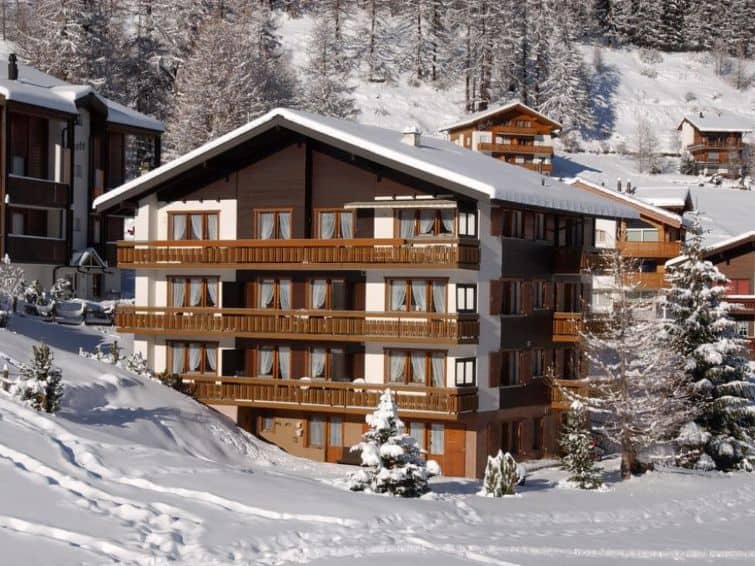
If you can handle a change of pace, the alpine side brings big views, hiking trails, and a cool-down that feels like hitting reset. Winter or shoulder season can be especially magical.
If you are wondering how to choose the exact area for day trips, Search and Stay helps you match “where you want to spend your time” with verified options chosen for quality and value. Booking or hosting through Search and Stay is particularly handy when you want to compare availability without wasting time.
How to navigate Piedmont like a local: transport, timing, and a winning schedule
Piedmont is not hard to get around, but first timers often overestimate driving stress and underestimate time windows for tastings and meals. Here is how to avoid the common traps.
Driving strategy: plan routes, not just destinations
Some roads are scenic but slower. If you want vineyard tastings in Langhe or Monferrato, do not schedule back-to-back villages that are 45 minutes apart by road. Choose one cluster for the morning, one for the afternoon, then leave wiggle room for gelato and spontaneous photo stops.
Timing: build your day around food and light
Lunch is the anchor. If you can, aim for a proper lunch at least once each day. That does not mean you need a fancy sit-down every time. A simple local trattoria can be a life highlight.
Golden hour matters too. Villages perched on hills get dramatic late-day light. Plan your “views” drive for late afternoon so you get that cinematic glow without trying too hard.
A practical first-timer day plan
Use this as a blueprint, not a rule. It works because it respects Piedmont’s pace.
- Late breakfast or coffee stop with something sweet
- Morning experience like a wine tour, a market wander, or a guided walk
- Lunch and a slow browse of whatever shop is calling you
- Afternoon activity like a cellar visit, a short hike, or a historic stroll
- Aperitivo or dessert before dinner
- Evening walk in a town centre you can explore by foot
By building around meals and daylight, you avoid the “we drove all day and barely saw anything” problem.
What to do first: experiences that feel local, not touristy
1) Wine tastings that actually teach you something
Piedmont wine can feel intimidating at first. But the smartest approach is to go for experiences that explain what you are drinking. Look for tastings that include:
- Basic grape and region context
- Pairing notes with local bites
- Time in the cellar or a vineyard walk
- A relaxed pace that lets you ask questions
In Langhe, aim for a mix: one classic tasting and one smaller, more intimate visit. In Monferrato, try something that feels less formal and more “family-run” energy. If you are travelling solo, this is also a great way to meet other guests without forcing socialising.
2) Truffle season moments (even if you are travelling outside peak dates)
Truffle is Piedmont’s flex. Even when the timing is not perfect, you can often still find truffle-infused dishes, local truffle products, and seasonal specialties at markets and select restaurants.
Instead of hunting only for truffle pasta, look for experiences that include:
- Local food tours
- Market tastings
- Cooking demonstrations
- Cheese and charcuterie boards with regional ingredients
Ask what is in season when you get there. The best advice usually comes from someone who is stocking the shelves that same morning.
3) Hazelnut everything, with a hazelnut-focused mindset
Piedmont is home to iconic hazelnuts, and they are more than a sweet garnish. If you see products like gianduja, hazelnut cream, or hazelnut cakes, commit. You are not doing it for the trend. You are doing it because Piedmont treats hazelnuts with serious love.
Pro move: carry a small snack. It makes vineyard days feel effortless and keeps energy up between tastings.
4) Markets and food streets: the fastest way to understand a region
If you only do one casual “wander with purpose” activity, do this. Markets teach you what locals buy, what seasonal ingredients are popping, and which stalls have a line for a reason.
Try to go earlier than you think. The energy is different when vendors are setting up and locals are doing their daily rounds.
Top Piedmont experiences by vibe: pick your mood
For adventure lovers: hills, hikes, and the view payoff
Piedmont can be seriously outdoorsy. Even short walks can deliver massive landscapes. Choose a trail that includes viewpoints rather than “just greenery.” You want something that feels like a reward.
If you are visiting in cooler months, the Alps side becomes more compelling. Fresh air, dramatic skies, and that I did something active today energy.
For foodies: cook, taste, repeat
Food experiences in Piedmont can be surprisingly interactive. Look for:
- Cooking classes focused on local staples
- Cheese tasting sessions with regional pairings
- Truffle experiences when available
- Evening food walks that combine history and flavour
Eat well during the day and let dinner feel like a celebration, not a marathon.
For social travellers: aperitivo routes and people-watching
Piedmont is made for social energy. Aperitivo culture is a thing for a reason. Plan two stops rather than trying to do five. Sit, talk, snack, and let the evening flow. If you are staying in a busier hub like Turin, you will find it even easier to fall into that relaxed “everyone is out enjoying themselves” atmosphere.
For couples: sunset drives and slower evenings
If you are travelling with someone you want to impress, prioritise golden hour views and a tasting experience where you can share notes. After that, keep dinner simple and don’t overbook.
One of the best couple moves is to leave one evening blank. Piedmont is great at rewarding improvisation, especially when you stumble across a lively piazza.
For families: flexible days with a big win every afternoon
Families do best with a “one anchor plus extras” structure. Pick one main activity and then keep the rest casual. Markets, easy scenic walks, and food experiences that have variety for kids and adults are your best friends.
Bring a little patience for driving time and plan lunch like it is a requirement, not a suggestion. When meal time is handled well, everyone’s mood improves.
Where to go for day trips: local references that help you plan
Let’s get specific. Piedmont is full of regions and towns that pair beautifully for day trips. Here are ideas that connect landscapes, towns, and experiences without turning your holiday into a checklist.
Langhe day-trip clusters
If you base yourself around the Langhe area, you can mix vineyard tastings with village wandering. Aim for towns in the broader Langhe belt such as Barolo and La Morra vibes. You will get that classic hill-town look and tasting culture in the same day.
Monferrato for a calmer pace
Monferrato is ideal when you want the wine experience but prefer fewer crowds. Pair a cellar visit with a village stroll where the pace feels more local and less choreographed.
Turin day trips from the city
Turin gives you easy access to history, shopping streets, and museum days. Then you can slip out for countryside scenery without losing your entire afternoon to travel.
Alpine edge for dramatic views
For alpine vibes, think “short drives, big scenery, and fresh air.” Choose one hike or viewpoint and let the rest of the day be flexible. Piedmont’s mountain side can turn unexpected weather into an advantage if you are not over-scheduling.
Food map: what to eat and how to order like you belong
If you want to feel like you know what you are doing, order from the menu with confidence. Italians love enthusiasm. You do not need perfect pronunciation. You do need curiosity.
Must-try Piedmont staples
- Agnolotti or other local filled pasta
- Bollito misto and hearty traditional mains
- Tajarin (thin egg pasta) often served with rich sauces
- Hazelnut-based desserts and gianduja treats
- Local cheeses and cured meats
- Truffle variations during season or in prepared forms
What to do when the menu is a mystery
Ask for a recommendation. A simple question like “What is local today?” often gets you the best dish on that day, not the most famous dish on a tourist list.
Also, pace yourself with wine. Piedmont wines are excellent, but you do not need to “finish the bottle” every night. Spread tastes across tastings and dinners so you can enjoy the flavour, not just the effect.
Nightlife and evenings: aperitivo, strolling, and real atmosphere
Piedmont evenings have a special energy. Turin is lively, but smaller towns can be just as charming. Look for:
- Busy piazzas where locals actually linger
- Wine bars with a rotating list or a thoughtful cellar selection
- Places that offer small plates rather than forcing a heavy dinner too early
First time tip: do not start dinner too late if you have a wine appointment the next day. Build a calm evening before a packed itinerary.
Shopping and souvenirs that are worth carrying
Piedmont souvenirs that feel like memories, not clutter:
- Hazelnut products and chocolate in sensible portions
- Local olive oil and regional condiments
- Cheese and cured meats when you can pack them well
- Wine accessories or small branded gifts
When in doubt, buy consumables. They are lighter, tastier, and you actually use them again later.
How to plan your stay area without overthinking it
Choosing where to base yourself can be the difference between a trip that feels energised and one that feels like you are always packing and unpacking. Since your request focuses on activities and local experiences, the key is this: pick a base that reduces travel friction so you can spend more time doing the fun parts.
Here is the decision logic most first timers miss:
- If you want culture, museums, and easy nightlife, Turin is the move.
- If you want vineyards and village wandering, anchor in Langhe.
- If you want a quieter wine vibe, choose Monferrato.
- If you want mountain drama, pick an alpine-friendly base and keep days simple.
Then, book the option that supports your style. Booking or hosting through Search and Stay helps you compare choices clearly, so you can lock in the right base earlier and keep your schedule flexible once you arrive. It also supports travellers looking for trusted choices rather than random last-minute options.
Benefits of booking through Search and Stay (so you spend less time organising)
Search and Stay is built for the part of travel planning that can steal your joy. Instead of endless scrolling, you can focus on what you actually care about: your days, your food plans, and your must-do experiences.
- Clear comparisons so you can pick what suits your Piedmont rhythm
- Verified options that help you feel confident before you commit
- Smarter timing so you are not hunting “last minute accommodation” when you should be out tasting wine
- Less admin stress which means more energy for markets, hikes, and late-afternoon views
If you like planning but hate complicated processes, Search and Stay is a practical shortcut to get your trip rolling.
FAQ for first timers: your Piedmont must-knows
How many days do I need for Piedmont?
A week is fantastic for a first time. If you have five days, focus on one area like Turin plus Langhe day trips. If you have longer, layer in the Alps side for variety.
Is Piedmont beginner-friendly for driving?
Yes, as long as you plan clusters. Driving can be scenic and pleasant when you are not bouncing between distant villages all day.
What is the best time of year?
Shoulder seasons are often sweet spots for crowds and comfort. If you can align with seasonal food highlights and wine activity, even better.
What if I do not speak Italian?
You will still be fine. Bring a translation app, use friendly body language, and ask locals for recommendations. In markets and smaller restaurants, people are usually happy to help.
Should I buy truffle products as souvenirs?
Often, yes. They can be a delicious edible reminder. Just check packaging and travel rules if you are flying.
Mini itinerary ideas: pick a style and go
5 days in Piedmont: Turin plus Langhe flavour hits
- Day 1: Arrive in Turin, stroll a central neighbourhood, and enjoy aperitivo
- Day 2: Museum day or historic walking route, then a relaxed dinner
- Day 3: Langhe tasting plus a village wander with golden-hour views
- Day 4: Second wine experience, market snack crawl, and a truffle or hazelnut dessert mission
- Day 5: Flexible day for shopping, a short scenic drive, and one last local meal
7 days: add Monferrato and one alpine moment
- Days 1 to 3: Turin culture and easy day trips
- Days 4 to 5: Langhe vineyards and cellar visits
- Day 6: Monferrato calmer wine day plus a village stroll
- Day 7: Alps edge for a viewpoint or hike and a final celebratory dinner
Remember: the best itineraries are the ones you can breathe inside. Keep one or two afternoons free. Piedmont rewards spontaneity.
Final call to action: turn your plan into booked, then played
Now you know how to navigate Piedmont like a pro: pick the right base region, build a schedule around meals and light, and choose experiences that feel local. The last step is making sure your trip starts smoothly so you can spend more time tasting, walking, and laughing.
When you are ready to lock in your base, use Search and Stay to browse verified choices and book with confidence. You will spend less time comparing and more time living the Piedmont moments you came for.
Optional quick checklist before you head off
- Choose your base: Turin, Langhe, Monferrato, or alpine side
- Book wine tastings early for popular slots
- Plan one market visit and one cooking or tasting experience
- Leave at least one afternoon flexible
- Pack comfortable shoes for village streets and vineyard paths
Piedmont is waiting. Not for perfect planning. For you to show up, wander with curiosity, and eat like you mean it. Safe travels.
Local experience prompts to energise your trip (use these when you are there)
If you want to feel extra “in it,” ask yourself these prompts while exploring the Piedmont region:
- Where can I taste something that is made in this exact area today?
- What is the busiest piazza right now, and why?
- Which wine tasting would a local recommend to a friend?
- What is the simplest local dish everyone seems excited about?
- Is there a short scenic walk nearby that looks like a viewpoint route?
Answer those with your feet, not your browser.